Best Open Back Headphones for Home Listening
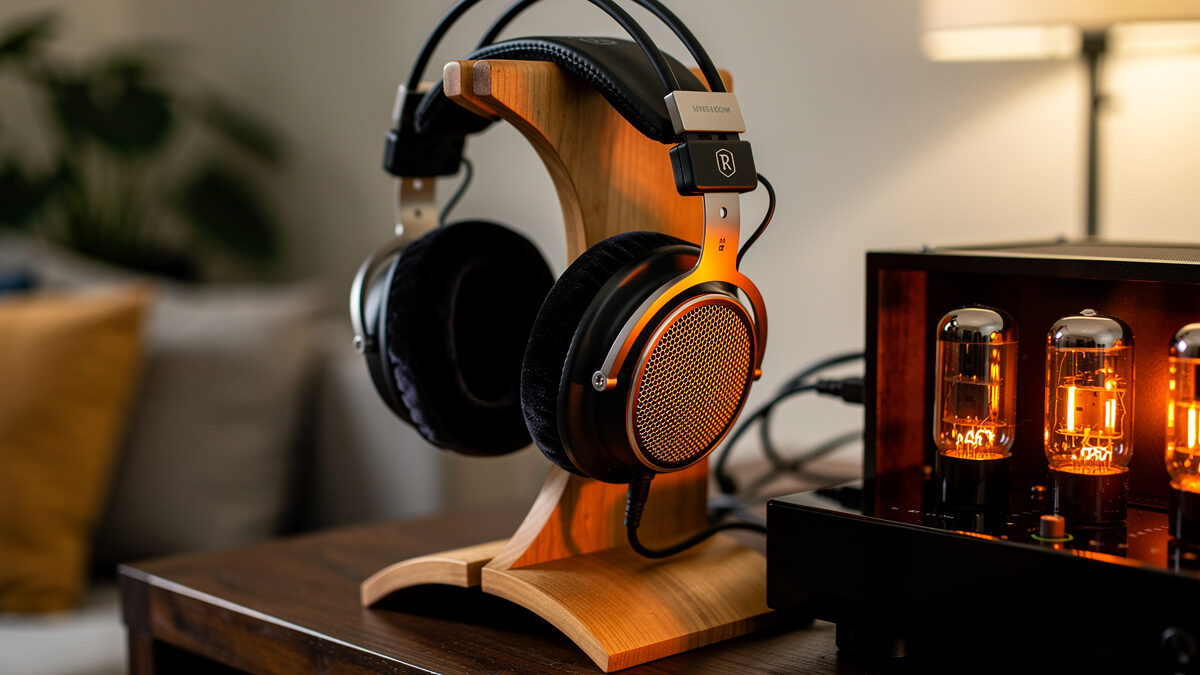
The best open-back headphones for home listening deliver a spacious, natural soundstage that closed-back designs cannot match. By allowing air to pass through their ear cups, open-back headphones create an open, speaker-like presentation where instruments occupy distinct positions in three-dimensional space. Models like the Sennheiser HD 560S, Beyerdynamic DT 900 Pro X, and Hifiman Sundara offer audiophile-grade sound at prices from $150 to $300. Open-back headphones suit dedicated listening rooms where sound leakage is not a concern.
Why Open-Back Design Matters
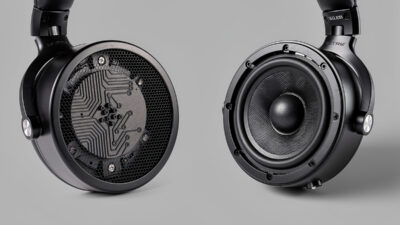
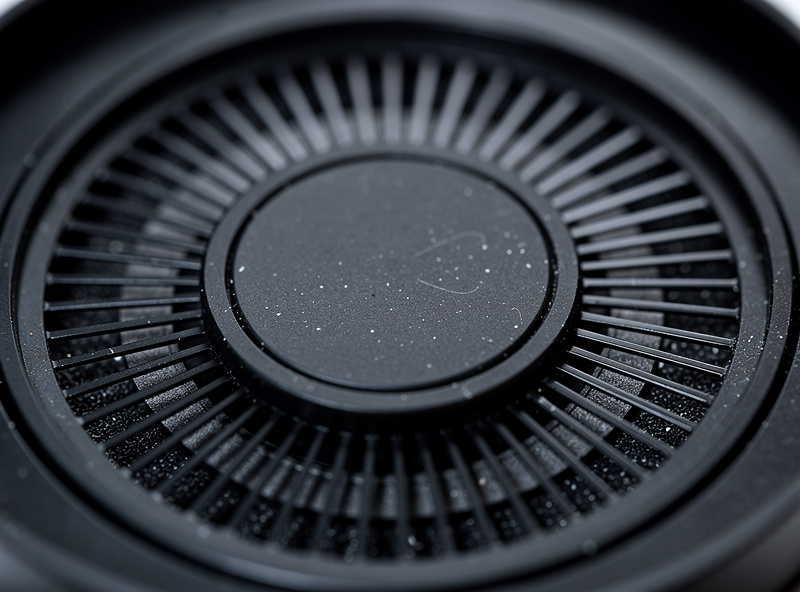
Closed-back headphones seal the ear cup, trapping sound waves inside. This isolation prevents sound leakage but creates pressure buildups that color the sound — bass can feel boomy, and the overall presentation feels confined inside your head. Open-back designs vent the ear cup, allowing sound waves to dissipate naturally. This eliminates pressure artifacts and creates a more natural, expansive presentation that resembles listening to speakers in a room.
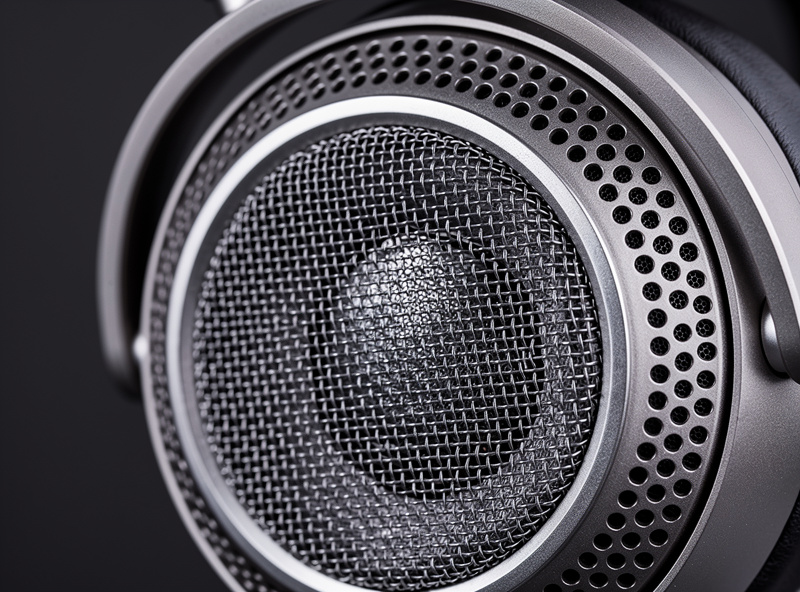
The open design also reduces resonance within the ear cup. Sound waves that reflect off sealed ear cups create comb filtering and standing waves that muddy the presentation. Open-back headphones allow these reflections to escape, resulting in cleaner, more transparent sound. The trade-off is complete sound leakage — people nearby hear your music clearly, and you hear environmental noise. Open-back headphones are strictly for private listening in quiet environments.
For a full breakdown of every headphone type and how open-back compares to closed-back and in-ear designs, see our headphone buying guide.
Top Open-Back Headphones Under $300
Sennheiser HD 560S ($150) — Best Value
The HD 560S delivers neutral, accurate sound that reveals recording quality without editorializing. The 120-ohm impedance drives easily from most headphone amplifiers and many phones. The lightweight design and plush ear pads enable hours of comfortable listening. Soundstage width exceeds its price point, with precise imaging that places instruments distinctly. The HD 560S represents the entry point to genuine audiophile headphone performance.
Beyerdynamic DT 900 Pro X ($260) — Best Build Quality
Beyerdynamic’s DT 900 Pro X uses the company’s STELLAR.45 driver in a robust, German-built chassis designed for decades of service. The 48-ohm impedance drives easily from any source. The detailed, slightly bright presentation reveals every nuance in recordings. Velour ear pads provide exceptional comfort during marathon sessions. The DT 900 Pro X suits analytical listeners who value detail retrieval and build quality.
Hifiman Sundara ($230) — Best Planar Magnetic
The Sundara uses planar magnetic drivers that produce sound differently from conventional dynamic drivers. Planar drivers move a thin, flat diaphragm uniformly rather than pushing a cone from the center. This design delivers faster transients, lower distortion, and more even frequency response. The Sundara sounds effortless and spacious with deep, controlled bass that dynamic headphones at this price struggle to match. The 37-ohm impedance with 94dB sensitivity requires a dedicated amplifier — the Sundara underperforms significantly without adequate power.
Philips SHP9600 ($60) — Best Ultra-Budget
At $60, the SHP9600 delivers open-back spaciousness and comfort at a fraction of audiophile headphone prices. The 50mm neodymium drivers produce warm, engaging sound with surprisingly good bass extension. The lightweight, self-adjusting headband provides all-day comfort. Sound quality cannot match the $150+ options but beats every closed-back headphone under $100 for spatial presentation. The SHP9600 serves as an excellent entry point to open-back listening.
Comparison Table
| Headphone | Price | Impedance | Driver Type | Needs Amp? | Sound Signature |
|---|---|---|---|---|---|
| Philips SHP9600 | $60 | 32 ohm | Dynamic | No | Warm, bass-friendly |
| Sennheiser HD 560S | $150 | 120 ohm | Dynamic | Optional | Neutral, accurate |
| Hifiman Sundara | $230 | 37 ohm | Planar Magnetic | Yes | Effortless, spacious |
| Beyerdynamic DT 900 | $260 | 48 ohm | Dynamic | Optional | Detailed, slightly bright |
Amplification Requirements
Open-back headphones vary significantly in amplification needs. Low-impedance, high-sensitivity models like the Philips SHP9600 and Sennheiser HD 560S play adequately from phones and laptops. Planar magnetic designs like the Hifiman Sundara need dedicated amplification to reach their potential — our guide to the best headphone amp and DAC combos covers units that drive planar headphones properly.
Our guide to the best USB DACs under $200 provides the digital source quality that open-back headphones reveal. Pairing a quality DAC with a capable headphone amplifier unlocks the detail retrieval that makes open-back headphones worthwhile over cheaper closed-back alternatives.
Comfort and Usage Considerations
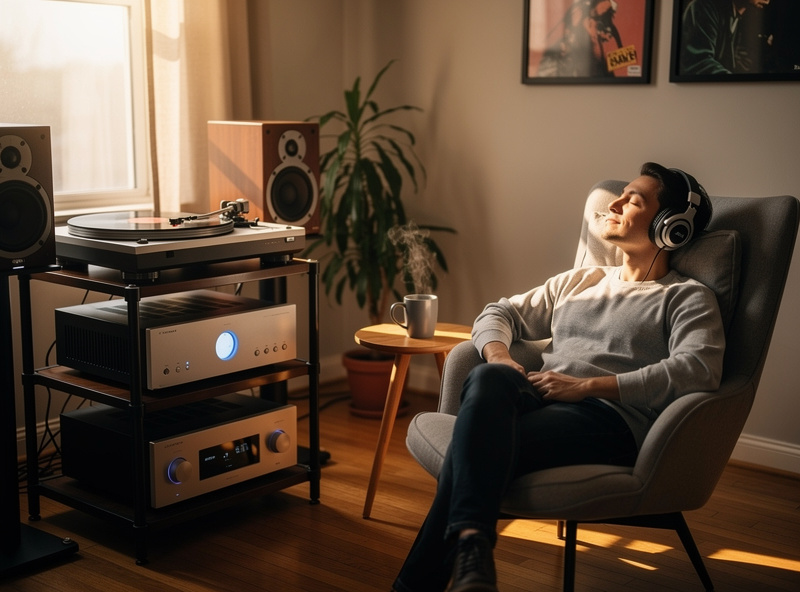
Open-back headphones prioritize comfort for extended sessions. Ear pad material affects comfort significantly — velour and memory foam distribute pressure better than leather or protein leather. Clamp force should be firm enough for secure fit without creating pressure points. Weight matters during marathon listening — lighter headphones under 300 grams cause less fatigue than heavier planar magnetic designs.
Open-back headphones belong in quiet, private listening environments. They leak sound freely — partners, roommates, and coworkers hear your music clearly. They also admit environmental noise, making them unsuitable for noisy offices, commuting, or public spaces. Reserve open-back headphones for home listening in dedicated spaces where neither sound leakage nor noise isolation matters.
Frequently Asked Questions
What are the best open-back headphones for home listening?
The Sennheiser HD 560S ($150) offers the best value with neutral, accurate sound. The Hifiman Sundara ($230) delivers the best planar magnetic sound at this price. The Beyerdynamic DT 900 Pro X ($260) provides the best build quality and detail. The Philips SHP9600 ($60) works for ultra-budget open-back listening.
Do open-back headphones need an amplifier?
Low-impedance models like the Philips SHP9600 (32 ohm) and Sennheiser HD 560S (120 ohm) play adequately from most sources. The Hifiman Sundara (37 ohm, 94dB) requires dedicated amplification to reach its potential. Planar magnetic headphones specifically need more current than phones and laptops deliver.
Can I use open-back headphones in an office?
No. Open-back headphones leak sound significantly — coworkers hear your music clearly, and you hear office noise. Open-back designs are strictly for private, quiet listening environments. Use closed-back headphones for offices and public spaces.
Why do open-back headphones sound better than closed-back?
Open-back designs eliminate pressure buildup and resonance within the ear cup, creating more natural, spacious sound. The open design allows sound waves to dissipate naturally rather than reflecting off sealed ear cups. This produces wider soundstage, cleaner bass, and more transparent presentation.
What is planar magnetic headphone technology?
Planar magnetic drivers use a thin, flat diaphragm suspended between magnets. Unlike dynamic drivers that push a cone from the center, planar drivers move the entire diaphragm uniformly. This delivers faster transients, lower distortion, and more even bass response. Planar headphones require more power than dynamic designs.
How long do open-back headphones last?
Quality open-back headphones from Sennheiser, Beyerdynamic, and Hifiman last 10-20 years with proper care. Ear pads compress over time and need replacement every 2-5 years ($15-$40 for genuine pads). Headband elastic may loosen after extended use. Driver failure is rare in quality headphones.
Are open-back headphones good for gaming?
Open-back headphones excel at gaming soundstage, providing wider spatial awareness than closed-back designs. Footsteps and environmental sounds position more accurately. The lack of isolation means you hear your keyboard and room noise. Competitive gamers often prefer open-back for the soundstage advantage despite the noise leakage.
Related Articles
Related articles will be added as hub and sibling spokes are published.