Best Audiophile Headphones 2026: Picks by Category
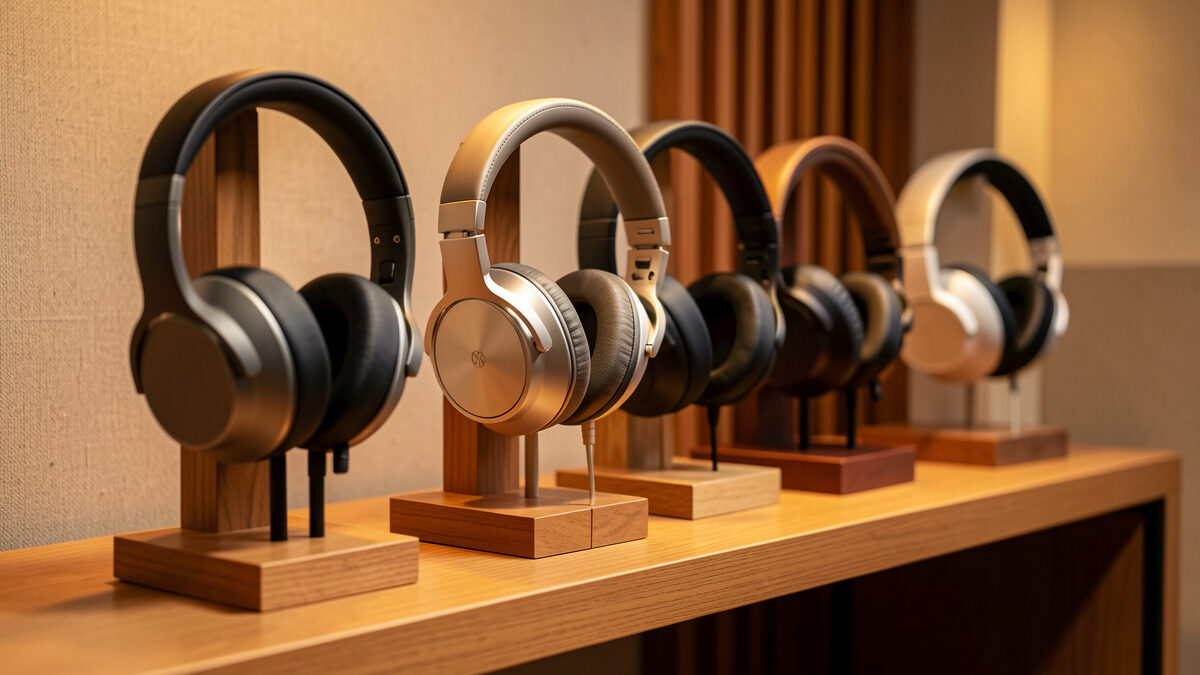
The best audiophile headphones in 2026 aren’t the most expensive ones — they’re the pairs that hit a flat, natural tuning and pair sensibly with a real-world source. For most listeners the sweet spot is a $300–$700 reference can. Above that you pay mostly for comfort, build, and the last few percent of resolution. Below are the picks I keep coming back to, sorted by what you actually need.
I test headphones the way I test everything else on the bench: one fixed chain, a calibrated mic at the cup, and weeks of listening rather than a weekend. These aren’t launch-hype impressions — they’re the models that survive months of use in my listening space. If you want the framework behind these choices, read the audiophile headphone guide first; this article is the shortlist that comes out the other end.
How I Picked These
Three criteria, in order. Tonal balance comes first — a headphone that measures close to a sensible target — the Harman over-ear curve from Olive and Welti’s AES listener-preference research — needs less fixing and sounds right to more people. Comfort comes second, because a headphone you take off after an hour is worthless no matter how it sounds. Drivability comes third: a great-sounding can that needs an exotic amp to come alive is a worse buy than one that sings off modest gear. Price is a tiebreaker, not a goal.
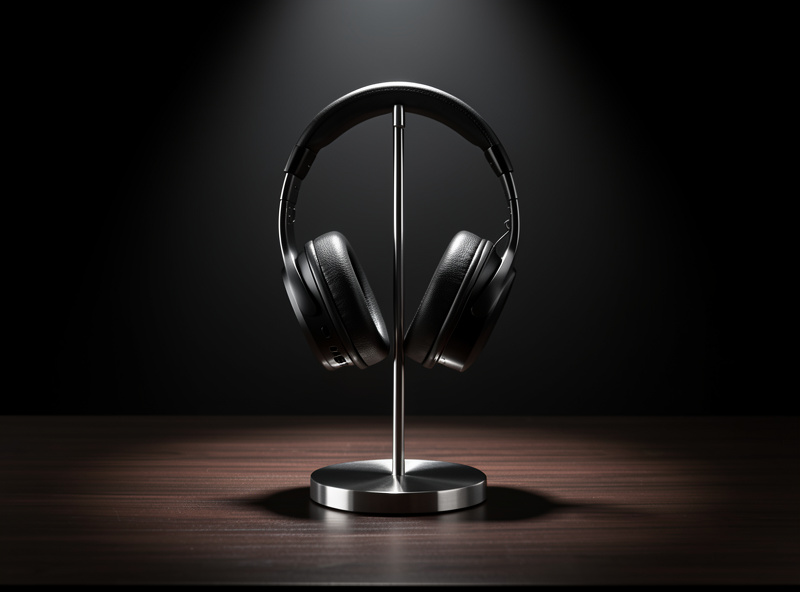
Best Overall Reference: Sennheiser HD 600 Series
The HD 600 and its siblings (the HD 650 and HD 660S2) remain the benchmark I measure other cans against, and not for nostalgia — their midrange tuning is simply right. The HD 600 is the most neutral, the HD 650 a touch warmer and more forgiving, and they’re the headphones I’d hand anyone who wants to hear what “reference” means. Per Sennheiser’s published specifications they’re 300-ohm open-backs, so they want a real amp to give their best, but feed them properly and nothing in their price class images more honestly.
The trade is bass extension — these are not basshead cans, and the openness means zero isolation. That’s the point. If you listen alone in a quiet room and want the truth of a recording, this is still where I’d start. As an Amazon Associate I earn from qualifying purchases. You can audition the Sennheiser HD 600 or the warmer HD 650 and hear the house sound that anchors this whole list.
Best Planar: HiFiMan Sundara
If you want planar magnetic tightness without flagship money, the Sundara is the one I keep recommending. It’s an open-back planar with a flatter, more even bass shelf than most dynamics and a fast, clean decay. It’s also far easier to drive than older planars, so it doesn’t demand a powerhouse amp to wake up — though a competent one still helps.
What I like is how little it asks you to forgive. The tonal balance is close enough to neutral that a single gentle EQ filter gets it exactly where I want it. If you’re choosing between this and a dynamic at the same price, the planar vs dynamic comparison lays out the trade-offs. Hear the HiFiMan Sundara if you want the planar character on a sane budget.
Best Closed-Back: Beyerdynamic DT 1990 (Closed Pads) / Quality Sealed Models
When I need isolation without giving up resolution, a well-damped closed-back earns its keep. Beyerdynamic’s higher-end closed and semi-open models control internal resonance well and keep detail that lesser closed cans smear. They run brighter than the Sennheiser house sound, so they reward a little EQ, but for recording, shared rooms, or travel-at-the-desk they’re the honest pick.
If isolation is your main constraint, don’t fight it with an open-back — start from the closed side. The dedicated shortlist is in best closed-back headphones for 2026, and the reasoning behind the whole open/closed split is in open-back vs closed-back headphones.
Best Value: Quality Mid-Tier Dynamics
The most underrated buy in 2026 is a well-tuned dynamic open-back in the $150–$250 band. These don’t have a flagship’s resolution, but the gap is smaller than the price gap, and they’re easy to drive — many sound excellent straight off a dongle DAC. For someone building their first real chain, this is where I’d put the headphone money and spend the rest on a clean source.
This is the tier where price-to-performance peaks. The jump from here to a flagship is real but it’s the steep, diminishing part of the curve. If budget is the main constraint, a value dynamic plus EQ gets you 90% of the way for a third of the cost.
Best for the Hard-to-Drive Crowd: Higher-Impedance Flagships
If you already own a capable amp and want the last few percent, the high-impedance flagships are where it lives — but only pair them with a source that has the voltage to drive them. A 300-ohm can on an underpowered output sounds soft and lifeless, and people blame the headphone when they should blame the chain. Match the power first; the headphone amplifier buying guide covers how.
The Shortlist at a Glance
| Category | Pick | Type | Best for | Needs an amp? |
|---|---|---|---|---|
| Overall reference | Sennheiser HD 600 / 650 | Open dynamic, 300Ω | Honest imaging in a quiet room | Yes |
| Best planar | HiFiMan Sundara | Open planar | Tight, even bass on a budget | Helps, not required |
| Best closed-back | Quality sealed Beyerdynamic-class | Closed dynamic | Isolation with detail | Usually |
| Best value | Mid-tier dynamic open-back | Open dynamic | First real chain | No |
| For amp owners | High-impedance flagship | Open, highΩ | Last few percent | Yes |
What I’d Tell a First-Time Buyer
Buy the HD 600-class can if your room is quiet, or a good closed-back if it isn’t, put a clean budget DAC and a modest amp under it, and stop. That setup will outperform what most people assume costs four figures, and it leaves money for the only upgrade that never disappoints — better recordings. When you’re ready to fine-tune, a few EQ filters do more than another hardware swap; the method is in EQ for headphones. And if portability is part of the picture, weigh in-ears using IEM vs over-ear headphones for hi-fi.
Frequently Asked Questions
What is the best audiophile headphone for most people in 2026?
The Sennheiser HD 600 series remains the safest reference choice for a quiet room. Its midrange tuning is close to neutral, it images honestly, and it sets the benchmark others are measured against. It needs a real amp because of its 300-ohm load, but feed it properly and little in its class competes.
Do I need to spend over $1,000 for great headphones?
No. The biggest jump in quality happens by the $300 to $700 reference class. Above roughly $1,500 you mostly pay for materials, comfort, and the last few percent of resolution. Most listeners are better served putting that money toward a clean source and better recordings.
Are planar or dynamic headphones better?
Neither universally. Good planars like the Sundara offer tighter, more even bass and fast decay; good dynamics like the HD 600 offer an easy, natural midrange. The difference is more about each model’s tuning than the driver technology. Choose by measured response and fit, not the label.
Can I use audiophile headphones without an amp?
It depends on the model. Efficient mid-tier dynamics and many planars run well off a phone or dongle DAC. High-impedance flagships like the 300-ohm Sennheisers genuinely need an amplifier to reach their potential. Check the impedance and sensitivity before assuming you can skip the amp.
Which audiophile headphone is best for an office or shared space?
A well-damped closed-back, not an open-back. Open-backs leak sound in both directions and offer no isolation. A quality sealed closed-back keeps your music in and outside noise out while preserving most of the detail, which is what you want around other people.