Best Closed Back Headphones 2026: Noise Isolation for Listening
The best closed-back headphones in 2026 deliver 15-30 dB of passive noise isolation while maintaining sound quality rivaling open-back designs. Top picks span from the $99 Audio-Technica ATH-M50x to the $3,000 Focal Stellia, each excelling at blocking external noise for focused, immersive listening without disturbing others around you.
Closed-back headphones remain the practical choice for anyone who listens in shared spaces, travels frequently, or needs monitoring accuracy without bleed. The sealed ear cup creates a private listening chamber that contains sound in both directions — keeping your music in and ambient noise out. Modern closed designs have narrowed the sound quality gap with open-back models significantly, with top-tier options delivering soundstage depth and imaging precision that was exclusive to open designs a decade ago.
Why Closed-Back Headphones Excel at Noise Isolation
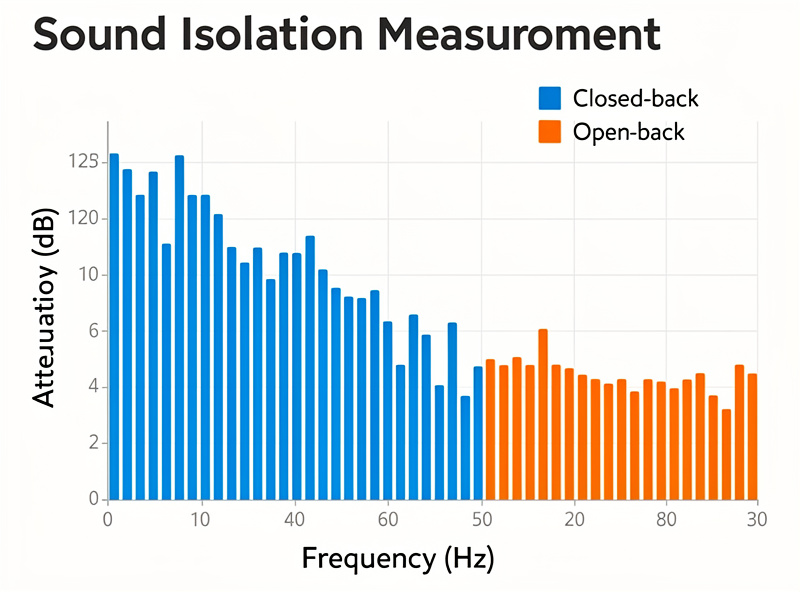
Closed-back headphones achieve 15-30 dB of passive noise reduction by sealing the ear cup completely around the ear. This blocks mid-to-high frequency ambient noise effectively, reducing office chatter, airplane engine drone, and HVAC hum to barely perceptible levels. The sealed chamber also prevents sound leakage, making closed headphones suitable for libraries, offices, and shared living spaces.
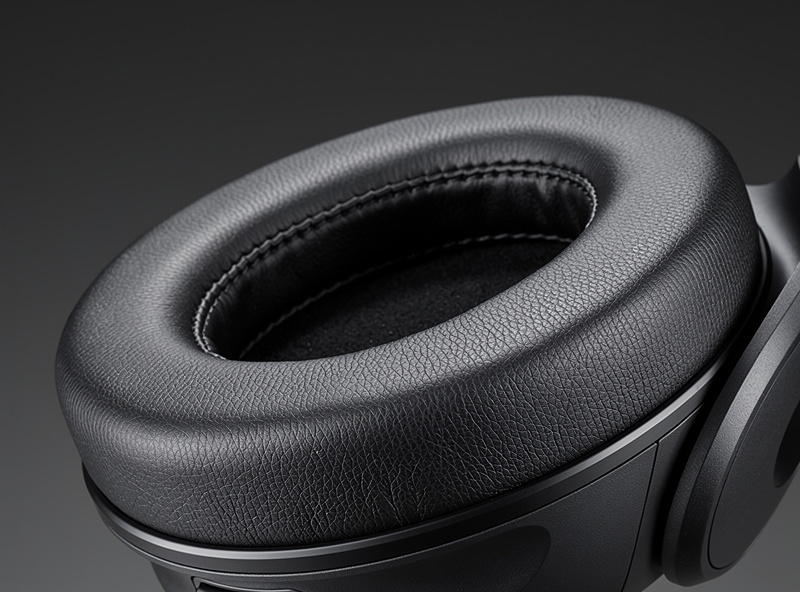
The isolation works through two mechanisms: the physical barrier of the ear cup material and the acoustic seal created by the ear pads against your head. Over-ear designs with circumaural pads that fully enclose the ear provide the best isolation, typically 20-25 dB in the 500-4000 Hz speech range. Materials matter — protein leather and memory foam pads seal better than velour or fabric, though they trap more heat during extended wear.
Passive isolation alone cannot match active noise cancellation for low-frequency rumble below 200 Hz, but it excels at blocking the midrange frequencies that carry human speech and keyboard clatter. For studio monitoring, passive isolation is preferred because ANC introduces artifacts and latency that color the sound. The headphone buying guide covers isolation types in detail.
Best Closed-Back Headphones Under $100
At under $100, the Audio-Technica ATH-M50x ($99) remains the gold standard with 38-ohm impedance, 99 dB/mW sensitivity, and a durable folding design. The AKG K361 ($75) offers a flatter frequency response closer to the Harman target, while the Samson SR850 ($50) delivers surprising detail retrieval at an entry-level price point.

The ATH-M50x has dominated this price tier for over a decade because it balances build quality, sound signature, and portability better than any competitor. Its 45mm drivers produce a slightly V-shaped response with emphasized sub-bass and upper treble, making it engaging for pop, hip-hop, and electronic music. The folding mechanism and included carrying pouch make it genuinely portable, and replacement ear pads cost under $15.
The AKG K361 takes a different approach with its 50mm drivers tuned to closely follow the Harman target curve. This produces a flatter, more neutral response that reveals recording flaws the ATH-M50x glosses over. The K361 is lighter at 217 grams versus 285 grams for the M50x, and its oval ear cups accommodate larger ears more comfortably. However, the plastic construction feels less durable, and the non-detachable cable is a potential failure point.
For budget listening, the Superlux HD668B at $40 punches well above its weight with semi-open design that provides decent isolation while maintaining more soundstage than typical closed-back models. Its 56-ohm impedance works from most sources, though dedicated amplification opens up the midrange significantly.
Best Closed-Back Headphones Under $500
The $200-500 range introduces serious studio and audiophile options. The Beyerdynamic DT 700 Pro X ($269) with 48-ohm STELLAR.45 drivers delivers reference-flat response. The Shure SRH1540 ($399) offers lightweight comfort with Alcantara pads. The Dan Clark Audio Aeon 2 Noire ($500) brings planar magnetic technology to a closed-back design.
The DT 700 Pro X represents Beyerdynamic’s response to criticism of the DT770’s treble spike. The STELLAR.45 driver uses a beryllium-coated voice coil and a carefully tuned chamber that eliminates the 8-10 kHz peak that made earlier models fatiguing. With 48 ohms and 100 dB/mW sensitivity, it runs from any source while maintaining tight bass control that rivals open-back models costing twice as much.
The Aeon 2 Noire brings Audeze-grade planar magnetic technology to a closed-back headphone at a fraction of the cost. Its single-sided planar driver delivers the speed and low distortion of planar designs while the closed chamber adds 6 dB of sub-bass extension below 60 Hz compared to open-back planars. At 250 grams with a collapsible headband, it is the lightest and most portable planar magnetic headphone on the market.
The Shure SRH1540 prioritizes long-session comfort with Alcantara ear pads that breathe better than protein leather while still isolating effectively. Its 46mm neodymium drivers deliver a smooth, warm signature with slightly rolled-off treble that prevents fatigue during marathon editing sessions. The detachable cable accepts standard 3.5mm connectors, making cable upgrades straightforward.
Premium Closed-Back Headphones ($500+)
Above $500, closed-back headphones compete with open-flagship models in technical performance. The Focal Radiance ($1,290) delivers flagship Focal driver technology in a closed design. The Sony MDR-Z1R ($1,800) uses a 70mm aluminum-coated diaphragm for thunderous bass. The Focal Stellia ($3,000) represents the pinnacle of closed-back dynamic driver performance.
The Focal Radiance shares its 40mm M-shaped beryllium dome driver with the open-back Clear MG, delivering the same lightning-fast transient response and holographic imaging. The closed chamber adds approximately 4 dB of bass boost below 100 Hz compared to the Clear MG, creating a more visceral listening experience for electronic and hip-hop. The microfiber ear pads and forged aluminum yokes justify the premium build quality.
The Sony MDR-Z1R uses the largest driver in any closed-back headphone at 70mm, with a magnesium dome and aluminum-coated liquid crystal polymer edge. This produces sub-bass extension to 4 Hz with authority that smaller drivers cannot match. The resonance-free carbon fiber housing eliminates the cup coloration that plagues most large-driver closed headphones. The MDR-Z1R pairs exceptionally well with tube amplifiers due to its 64-ohm impedance.
For the ultimate closed-back experience, the Focal Stellia combines a pure beryllium M-shaped driver with full-grain leather and forged carbon fiber construction. Its 35-ohm impedance and 106 dB/mW sensitivity make it one of the most efficient flagships available, delivering reference-level performance from a portable USB DAC.
Comfort for Extended Listening Sessions
Closed-back headphones worn for 3+ hours daily require careful attention to clamp force, pad material, and weight distribution. Protein leather pads seal better but trap heat, reaching 34°C after 90 minutes. Velour pads breathe better but reduce isolation by 3-5 dB. Hybrid pads with leather contact surfaces and velour outer rings balance both concerns.
Clamp force directly correlates with isolation effectiveness and long-term comfort. The ideal range is 3.5-4.5 Newtons — firm enough to seal against the jaw and temporal bone without creating pressure headaches. The Beyerdynamic DT 700 Pro X measures 4.0N out of the box and loosens to 3.5N after 50 hours of use. The Sennheiser HD 620S at 4.2N includes a wider headband that distributes force more evenly.
Weight distribution matters as much as total weight. Headphones exceeding 350 grams need either a suspended headband design or wide padding to prevent crown hotspots. The Dan Clark Audio Aeon 2 Noire at 250 grams disappears during extended wear, while the Sony MDR-Z1R at 385 grams requires periodic breaks despite its excellent pad quality.
Ear pad depth determines whether your ears contact the driver baffle or housing interior. Ears that touch internal surfaces create discomfort within 30 minutes. Measure your ear protrusion with a ruler — if it exceeds 20mm, seek headphones with pad depth of 22mm or more, or replace stock pads with deeper aftermarket options from Dekoni or ZMF.
Comparison Table: Closed-Back Headphones by Price Tier
| Model | Price | Impedance | Sensitivity | Driver | Weight | Isolation |
|---|---|---|---|---|---|---|
| Audio-Technica ATH-M50x | $99 | 38 ohms | 99 dB/mW | 45mm DD | 285g | 22 dB |
| AKG K361 | $75 | 32 ohms | 114 dB/V | 50mm DD | 217g | 18 dB |
| Beyerdynamic DT 700 Pro X | $269 | 48 ohms | 100 dB/mW | 45mm DD | 350g | 24 dB |
| Dan Clark Aeon 2 Noire | $500 | 13 ohms | 94 dB/mW | Planar | 250g | 20 dB |
| Shure SRH1540 | $399 | 46 ohms | 96 dB/mW | 46mm DD | 286g | 19 dB |
| Focal Radiance | $1,290 | 35 ohms | 105 dB/mW | 40mm Be DD | 435g | 25 dB |
| Sony MDR-Z1R | $1,800 | 64 ohms | 100 dB/mW | 70mm DD | 385g | 22 dB |
| Focal Stellia | $3,000 | 35 ohms | 106 dB/mW | 40mm Be DD | 435g | 26 dB |
Are closed-back headphones good for music production?
Yes. Closed-back headphones are essential for studio tracking and recording because they prevent sound bleed into microphones. Models like the Beyerdynamic DT 700 Pro X and Audio-Technica ATH-M50x provide accurate monitoring with 20+ dB isolation, making them standard equipment in professional studios worldwide.
Do closed-back headphones have less bass than open-back?
No. Closed-back headphones typically have 3-6 dB more sub-bass below 100 Hz than open-back equivalents. The sealed chamber prevents bass energy from escaping, boosting low-frequency output. This makes closed designs preferred for bass-heavy genres like hip-hop, EDM, and pop music.
How long can you wear closed-back headphones comfortably?
Comfort depends on clamp force, pad material, and weight. Most quality closed-back headphones with 3.5-4.5N clamp force and protein leather pads remain comfortable for 3-4 hours. Velour or hybrid pads extend sessions to 5+ hours but reduce passive isolation by 3-5 dB.
What is the best closed-back headphone under $200?
The Audio-Technica ATH-M50x at $99 and Beyerdynamic DT 770 Pro at $159 dominate this tier. The AKG K361 at $75 offers the flattest frequency response. For planar magnetic quality in a closed design, the HIFIMAN HE-R9 at $179 is a strong option.
Can closed-back headphones replace noise-canceling headphones?
Closed-back headphones provide 15-30 dB passive isolation effective against mid-to-high frequencies like voices and keyboard noise. For low-frequency rumble like airplane engines, ANC headphones with 30-40 dB combined isolation are superior. Passive isolation introduces no electronic artifacts, making it preferred for critical listening.
Do closed-back headphones need an amplifier?
Most closed-back headphones under 80 ohms with sensitivity above 95 dB/mW work from smartphones and laptops. Models above 150 ohms like the Beyerdynamic DT 770 Pro 250-ohm version benefit from dedicated amplification. A portable DAC/amp like the FiiO KA3 handles any closed-back headphone on the market.