IEM vs Over-Ear Headphones for Hi-Fi Listening
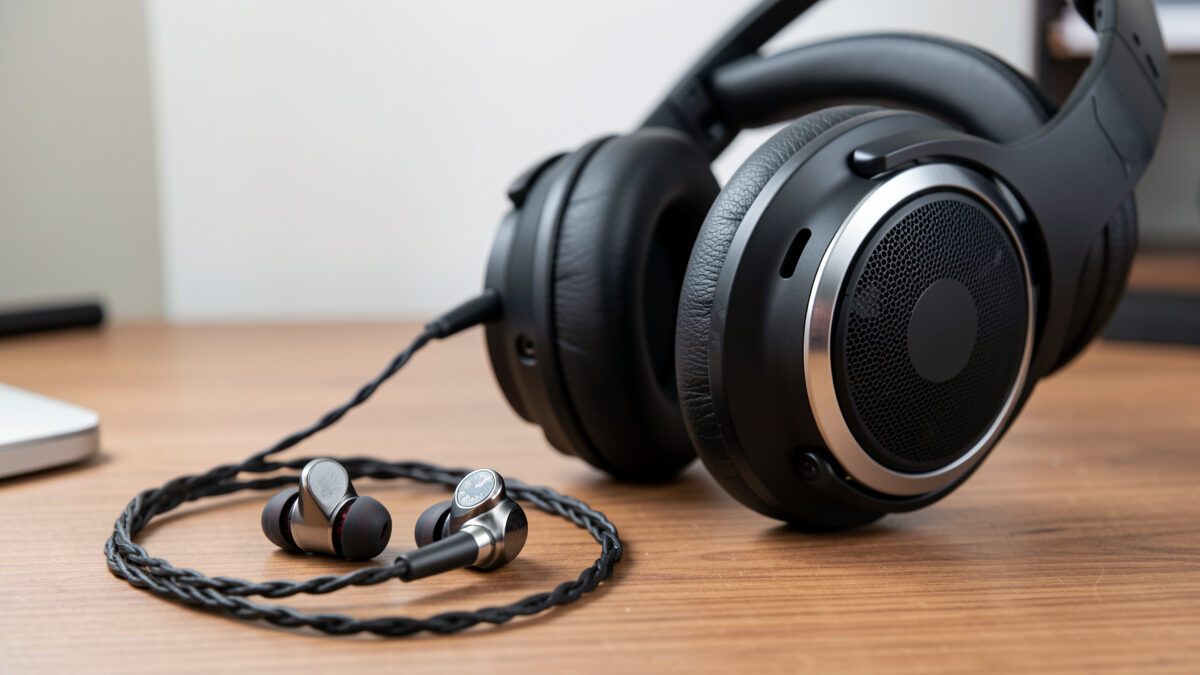
For hi-fi listening, a good in-ear monitor and a good over-ear headphone now resolve detail at a similar level — the real difference is presentation and use. IEMs isolate (a sealed tip blocks roughly 25-35 dB of outside noise), need no amp, and cost less for a given resolution; over-ears give a wider soundstage and far better long-session comfort. Pick by where and how you listen, because in 2026 neither is simply “better.”
I keep both classes on the bench because they answer different questions, and the gap between them has narrowed to the point where the old “IEMs are a compromise” line is just wrong. What hasn’t changed is that they feel completely different on your head, and that feeling decides more than any measurement. This piece sits under the broader audiophile headphone guide if you want the full chain context.
The Core Difference: A Sealed Tube vs a Cabin Around Your Ear
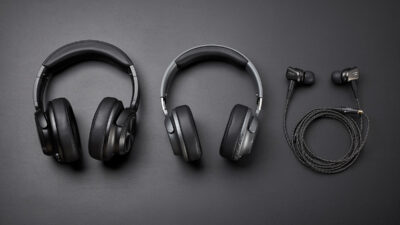
An IEM seals directly into your ear canal and fires a tiny driver down a short tube. An over-ear builds a small acoustic cabin around the whole ear. That structural difference drives everything: isolation, soundstage, bass delivery, comfort, and how much power each needs. Understand it and the rest of the comparison falls into place.
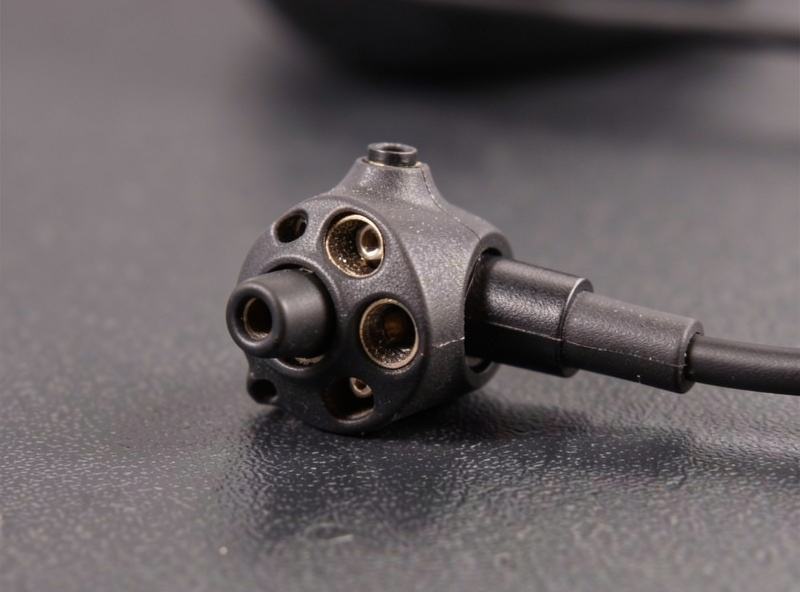
Because the IEM couples directly to your canal, it delivers bass with very little power and isolates passively by simply plugging the ear. The over-ear has to move more air across a larger space, which is why some need an amp, but that same space is what creates the out-of-head sense of stage. Neither approach is cheating physics — they’re two different solutions to getting a clean signal to your eardrum.
Soundstage and Imaging
This is the over-ear’s home turf. Sound arriving from a cabin around your ear, especially an open-back, presents with a width and out-of-head quality that an IEM firing straight down your canal struggles to match. My open-back over-ears image like small near-field monitors; even excellent IEMs tend to stage more inside the head.
That said, well-designed multi-driver IEMs have made real progress on imaging precision — instruments are placed accurately, even if the overall stage is more intimate. If a spacious, speaker-like presentation is your priority, over-ear wins clearly. If you care more about pinpoint placement and detail than width, a top IEM closes most of the gap. The enclosure side of this is covered in open-back vs closed-back headphones.
Isolation and Portability
IEMs win this outright. A properly fitted IEM with foam or silicone tips blocks more outside noise passively than most closed-back headphones, and it does it in something that fits in a coat pocket. No amp, no bulk, no leakage. For listening anywhere that isn’t a quiet room, the IEM is the more capable tool, full stop.
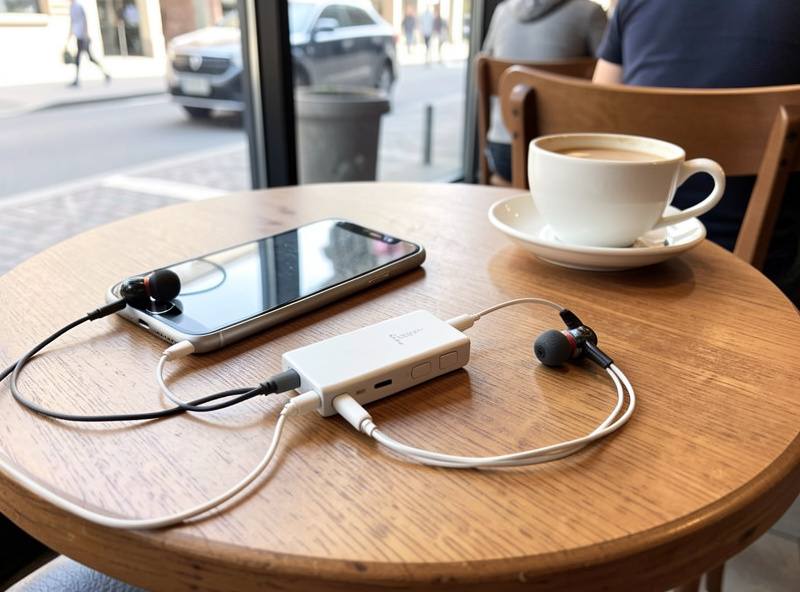
This is increasingly why I reach for IEMs. Plugged into a small dongle DAC, a good IEM gives me reference-grade detail on a train or in a cafe with zero leakage and no one around me any the wiser. The over-ear simply can’t compete on portability, and an open-back over-ear is actively antisocial in public. If your listening happens outside a dedicated room, weight the decision heavily toward IEMs.
Comfort Over Long Sessions
Here the over-ear usually wins, but it’s personal. A well-padded over-ear distributes its weight around your head and never touches the ear canal, so for a three-hour evening session it disappears. IEMs put a foreign object in your ear; some people forget they’re there, others can’t tolerate them past an hour. Fit and tip choice matter enormously, and a bad seal ruins both comfort and sound.
My rule: if you know you do long, stationary sessions, prioritise an over-ear and try it for comfort first, sound second. If your listening is broken into shorter, mobile chunks, the IEM’s comfort profile matters less and its portability matters more.
Power and Source Needs
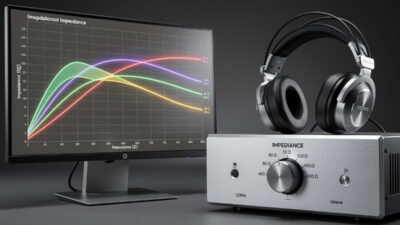
IEMs are efficient enough that almost any source drives them, and they can actually be made worse by a high-output-impedance source — the source resistance interacts with the IEM’s impedance curve and bends the frequency response — which is why the legacy IEC 61938 recommendation of a 120-ohm source is unusable with modern low-impedance IEMs. Over-ears range from phone-friendly to genuinely amp-hungry, and both classes get characterised on standardised acoustic couplers, in-ears on the IEC 60318-4 711 coupler. So the chains look different: an IEM wants a clean, low-output-impedance source; a demanding over-ear wants power.

The practical upshot: budget for an amp only if you’re going over-ear and the specific model needs one. With IEMs, put that money into the IEM itself or a clean dongle. The matching rules — including the one-eighth output-impedance guideline — are in how to match headphone impedance with your source, and the amp decision is in the headphone amplifier buying guide.
IEM vs Over-Ear at a Glance
| Attribute | IEM | Over-Ear |
|---|---|---|
| Soundstage width | Intimate, more in-head | Wider, more out-of-head |
| Isolation | Excellent (sealed canal) | Closed: good; Open: none |
| Portability | Pocketable, no amp | Bulky; open-backs not portable |
| Long-session comfort | Personal; can fatigue the canal | Usually better for hours |
| Power needs | Minimal; wants low source impedance | Varies; some need an amp |
| Best for | Travel, shared spaces, detail on the go | Quiet-room sessions, soundstage, comfort |
So Which Should You Buy?
Be honest about your most common listening. If it’s an evening alone in a quiet room, buy an over-ear and enjoy the stage and comfort. If it’s commuting, travelling, or listening around other people, buy an IEM — it’ll out-isolate and out-portable any over-ear and resolve more detail than you’d expect. And if you do both, own one of each; they’re complementary, not redundant. For curated IEM picks, see best IEMs for audiophiles, and for over-ears, the best audiophile headphones for 2026. The full type primer is over-ear vs on-ear vs in-ear headphones.
Frequently Asked Questions
Can IEMs sound as good as over-ear headphones?
For resolution and detail, yes — a good IEM matches over-ears at a similar price and often costs less for the same clarity. What over-ears still do better is soundstage width and long-session comfort. IEMs win on isolation and portability. Neither is simply better; they present sound differently.
Do IEMs need a headphone amp?
Almost never. IEMs are efficient and run loud off a phone or a small dongle DAC. They actually prefer a low-output-impedance source, because a high source resistance interacts with the IEM and bends its frequency response. Spend on a clean source, not a powerful amp, for IEMs.
Are over-ear headphones better for soundstage?
Yes. Sound from a cabin around the ear, especially an open-back, images wider and more out-of-head than an IEM firing down the ear canal. Top multi-driver IEMs place instruments accurately but present a more intimate stage. For a spacious, speaker-like feel, over-ears win.
Which is better for travel, IEMs or over-ear headphones?
IEMs, clearly. They isolate passively, fit in a pocket, need no amp, and leak no sound. Open-back over-ears are unusable in public, and even closed-backs are bulkier and isolate less than a well-fitted IEM. For any listening outside a quiet room, choose IEMs.
Are IEMs bad for long listening sessions?
It depends on you and the fit. A well-fitted IEM with the right tips disappears for many listeners, while others find an in-ear fatiguing after an hour. Over-ears distribute weight around the head and never touch the canal, so they tend to suit long, stationary sessions better.