Best USB DACs Under $200
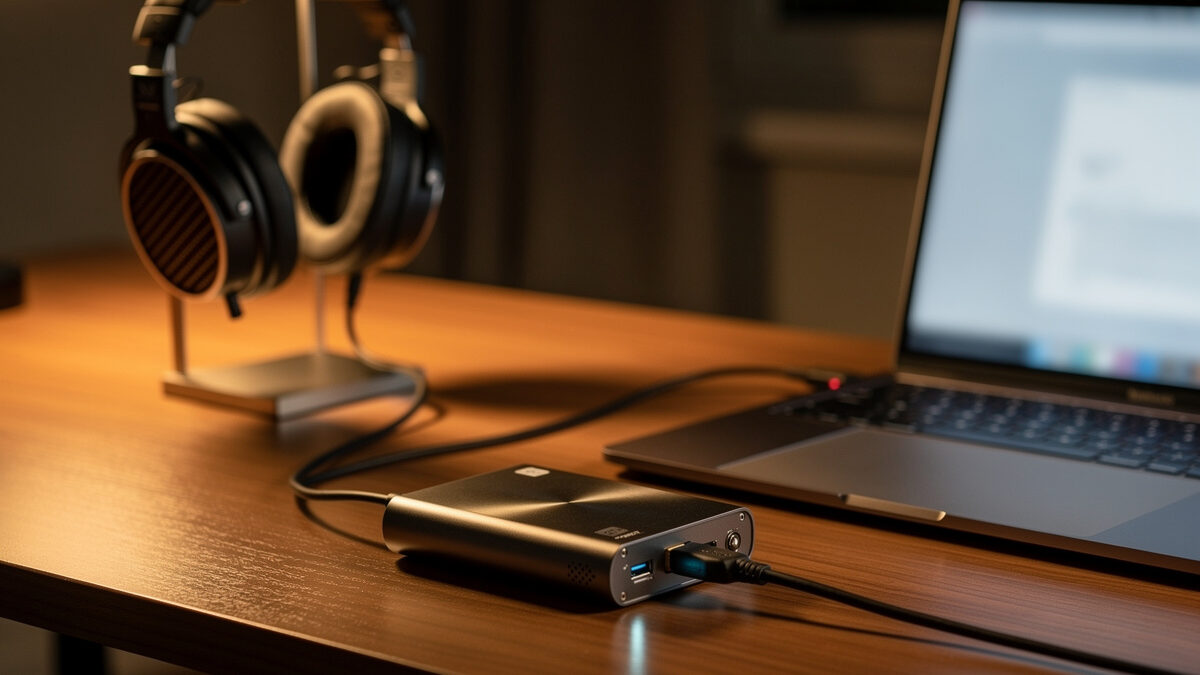
The best USB DACs under $200 bypass your computer’s built-in audio chip to deliver cleaner, more detailed sound through headphones or speakers. Models like the Topping DX1, FiiO K7, and iFi Zen DAC V2 resolve details that laptop audio simply cannot reproduce. Whether you stream from Tidal, listen to local files, or need a headphone amplifier for demanding cans, a USB DAC under $200 represents the highest-value upgrade for computer-based listeners.
Why Your Computer Audio Is Holding You Back
Every computer contains a basic audio chip that converts digital files to analog signals for headphones or speakers. These chips cost manufacturers pennies and prioritize minimal size and power consumption over sound quality. They introduce audible noise, struggle with headphone impedance matching, and cannot resolve fine details in complex recordings. For a plain-English breakdown of what ESS, AKM, and Burr-Brown chips actually do differently, the DAC chips explained guide cuts through the spec-sheet noise to what matters for listeners.
A dedicated USB DAC replaces this chip with precision circuitry designed solely for audio conversion. Better DAC chips, cleaner power supplies, and superior analog output stages translate directly to clearer sound, wider dynamic range, and lower noise floors. The improvement is immediately audible — instruments separate, vocals gain body, and background details emerge that you never noticed before.
Top USB DACs Under $200
Topping DX1 — Best Overall ($100)
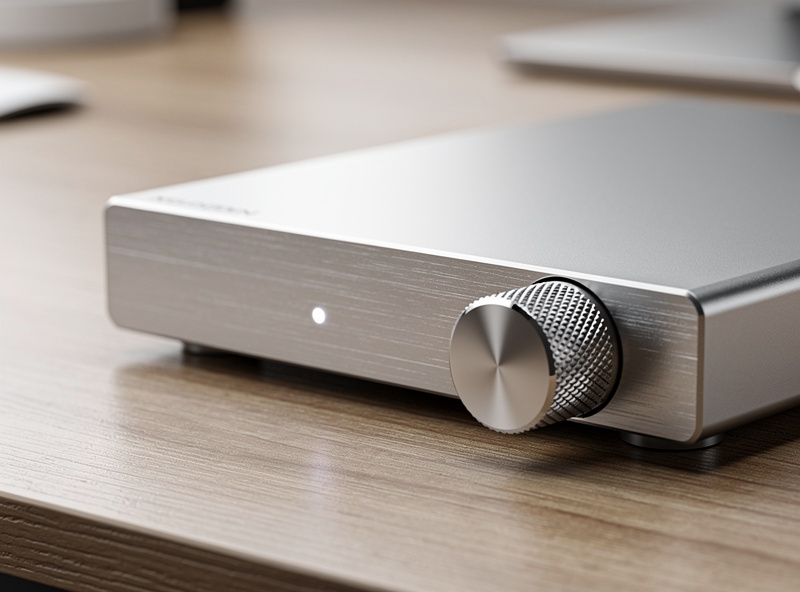
The Topping DX1 combines a high-quality ESS Sabre DAC chip with a capable headphone amplifier in a compact desktop unit. It drives most headphones to satisfying levels with extremely low distortion and noise. The DX1 outputs 3.5mm and 6.35mm headphone jacks plus RCA line output for powered speakers. Clean, neutral sound with exceptional measured performance makes the DX1 the benchmark at this price.
FiiO K7 — Best for Power ($150)
FiiO’s K7 delivers more headphone power than most sub-$200 DAC/amps, driving demanding planar magnetic headphones like the Hifiman Sundara to full potential. The dual AK4493S DAC chips produce warm, musical sound with excellent detail retrieval. Balanced 4.4mm output provides additional power for headphones that benefit from balanced drive. The K7 suits listeners with power-hungry headphones who need more than basic USB dongle output.
iFi Zen DAC V2 — Best Sound Character ($160)
iFi’s Zen DAC V2 uses a Burr-Brown DAC chip that produces a warmer, more forgiving sound than typical ESS-based designs. The built-in PowerMatch mode increases gain for demanding headphones. TrueBass enhances low frequencies without muddying midrange. The Zen DAC V2 prioritizes musical enjoyment over measured perfection, making it ideal for listeners who prefer engaging presentation over clinical accuracy.
Apple USB-C to 3.5mm Dongle — Best Budget ($9)
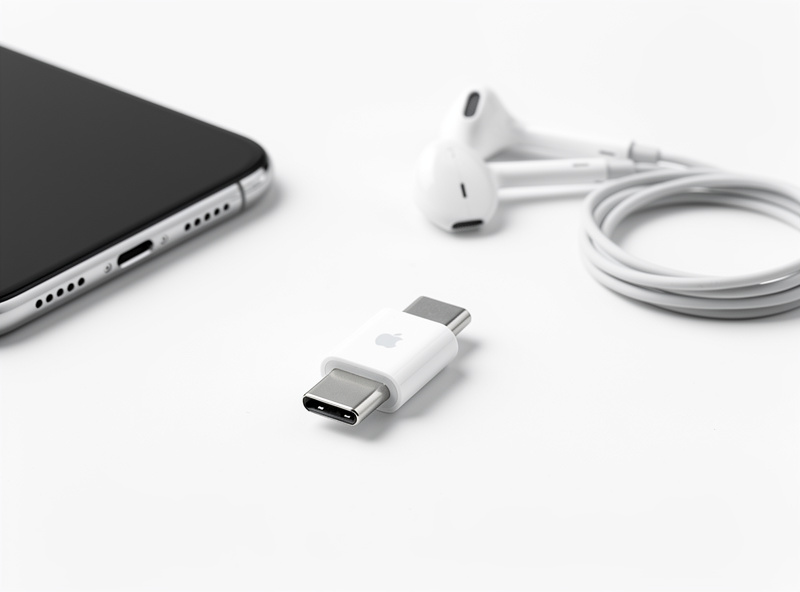
Apple’s USB-C dongle measures surprisingly well for its $9 price, delivering clean audio from phones and laptops. It cannot drive demanding headphones and lacks power for high-impedance models, but for efficient earbuds and IEMs, it eliminates the worst computer audio quality issues at negligible cost. Consider it a starting point before investing in dedicated DAC hardware.
Comparison Table
| DAC | Price | DAC Chip | Headphone Power | Outputs | Sound Character |
|---|---|---|---|---|---|
| Apple USB-C Dongle | $9 | Cirrus Logic | Low | 3.5mm | Clean, basic |
| Topping DX1 | $100 | ESS Sabre | Moderate | 3.5mm, RCA | Neutral, accurate |
| FiiO K7 | $150 | AKM dual | High | 6.35mm, 4.4mm, RCA | Warm, powerful |
| iFi Zen DAC V2 | $160 | Burr-Brown | Moderate-High | 6.35mm, 4.4mm, RCA | Warm, musical |
Connecting a USB DAC to Your System
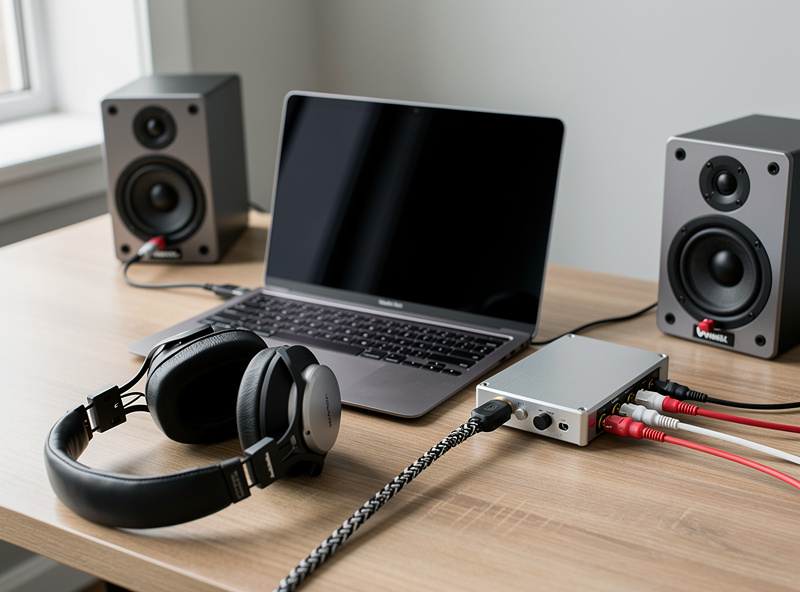
USB DACs connect to computers via USB cable and output analog signals to headphones or powered speakers. For headphone use, simply plug headphones into the DAC’s headphone output. For speaker use, connect the DAC’s line output (RCA) to your amplifier or powered speaker input. The computer recognizes the DAC as an audio device — select it as your output in system sound settings.
Most USB DACs work immediately without driver installation on macOS and Linux. Windows users may benefit from installing manufacturer ASIO drivers for bit-perfect output and lower latency. Streaming services like Tidal and Qobuz detect external DACs automatically and output at the DAC’s maximum supported resolution. Our guide to headphone amp and DAC combos covers models with more power and features beyond basic USB DACs.
Resolution and Format Support
Most USB DACs under $200 support 24-bit/192kHz PCM audio, exceeding CD quality. Some add DSD support for high-resolution files encoded in the DSD format used by SACD and some streaming services. MQA support (used by Tidal Masters) appears in some models but is becoming less relevant as Tidal shifts to FLAC-based hi-res streaming.
In practice, 24-bit/96kHz provides more resolution than any human can distinguish from higher formats. Focus on DAC sound quality and headphone amplification rather than maximum supported resolution when choosing between options. Our guide to whether expensive audio cables matter applies equally to digital cable debates — the DAC implementation matters far more than the cable connecting it.
Frequently Asked Questions
What is the best USB DAC under $200?
The Topping DX1 ($100) offers the best balance of measured performance, features, and price. The FiiO K7 ($150) provides the most power for demanding headphones. The iFi Zen DAC V2 ($160) delivers the warmest, most musical sound. All three dramatically improve on laptop built-in audio.
Do USB DACs really improve sound quality?
Yes, substantially. Computer built-in audio chips typically measure at -80dB THD+N with audible noise floors. Dedicated USB DACs under $200 achieve -110dB THD+N with inaudible noise. The improvement is immediately audible: cleaner backgrounds, more detail, better instrument separation, and more dynamic range.
Can I use a USB DAC with my phone?
Yes, USB DACs connect to Android phones and iPhones via USB-C or Lightning adapters. The phone treats the external DAC as its audio output. Power draw from USB DACs drains phone battery faster than internal audio, so consider battery impact during mobile use.
Do I need a headphone amplifier with a USB DAC?
Most USB DAC/amp combos include sufficient amplification for headphones up to 150 ohms impedance. Planar magnetic headphones and high-impedance models (250+ ohms) benefit from dedicated amplification. Check your headphone impedance and sensitivity against the DAC’s headphone output specifications.
What is the difference between ESS and AKM DAC chips?
ESS Sabre chips emphasize measured accuracy with extremely low distortion and precise detail retrieval. AKM (Asahi Kasei) chips produce slightly warmer, more forgiving sound that some listeners prefer for long listening sessions. Both deliver excellent performance — the difference is subtle preference rather than quality distinction.
Can I connect a USB DAC to powered speakers?
Yes, connect the USB DAC line output (usually RCA) to your powered speaker input. This bypasses the speaker’s built-in DAC and provides a cleaner signal path. The improvement depends on how good your speakers’ built-in DAC is — budget powered speakers benefit more than high-end models with quality internal DACs.
Is a $9 Apple dongle good enough?
For efficient earbuds and IEMs, the Apple dongle delivers surprisingly clean audio at negligible cost. It cannot drive demanding headphones or provide the power and detail that dedicated DACs offer. Use the Apple dongle as a starting point and upgrade when you identify specific limitations.
Related Articles
Related articles will be added as hub and sibling spokes are published.