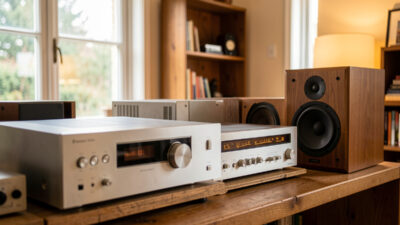
Buying a Used Hi-Fi Amplifier: What to Inspect First
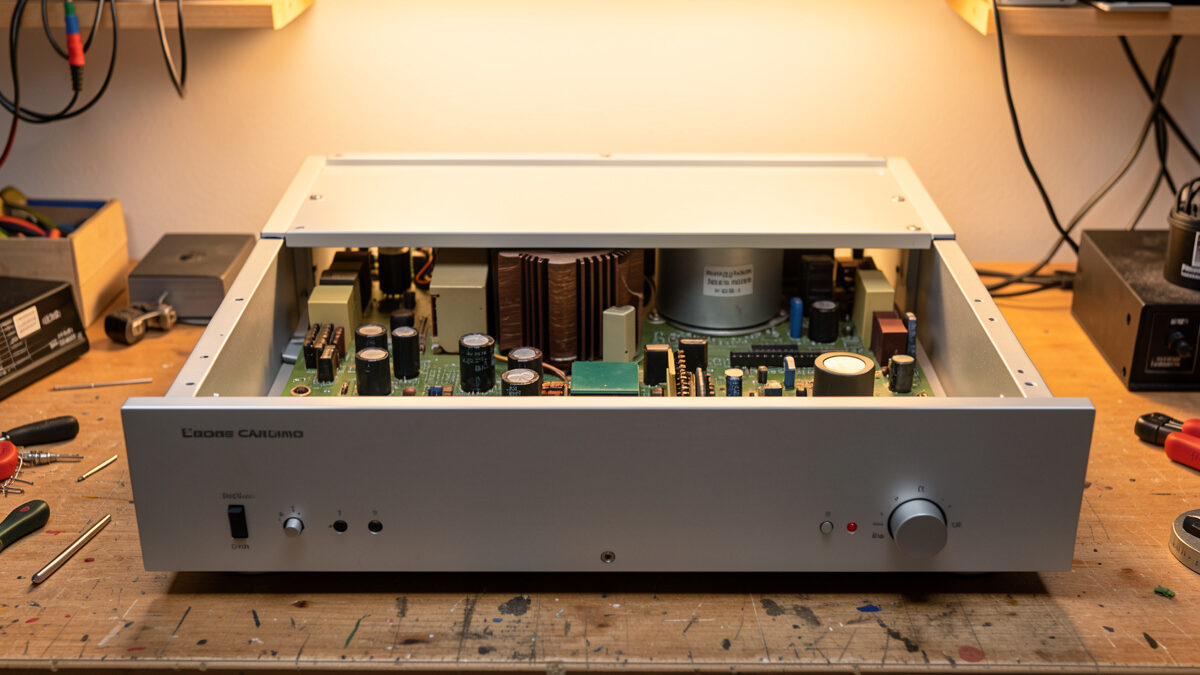
A used integrated amplifier is the best-value purchase in hi-fi: a clean example costs 45-60% of its launch price and drives your speakers exactly as well as the day it shipped. The whole risk reduces to a ten-minute inspection — both channels clean, no hum, quiet controls, and no dangerous DC offset at the speaker terminals.
I have rotated more used amplifiers through my listening room than any other component, because amplification is where the secondhand market makes the most sense. An amp’s job — deliver clean voltage and current into a speaker load — was solved decades ago, and a competent integrated from 2014 measures and sounds like one from this year. This guide is the exact inspection I run before money changes hands, written from the bench rather than the brochure. It is a companion to my broader used hi-fi buying guide.
Why Amplifiers Are the Safest Used Buy
Solid-state amplification ages well because there is little in it to go obsolete. The performance metrics that matter — power into your speakers’ real impedance, low THD+N, a high enough damping factor to control the woofer — plateaued years ago. A 60-watt integrated from a decade back delivers the same grip and the same clean output as its modern equivalent, which is why paying new-price for the latest model rarely buys audible improvement.
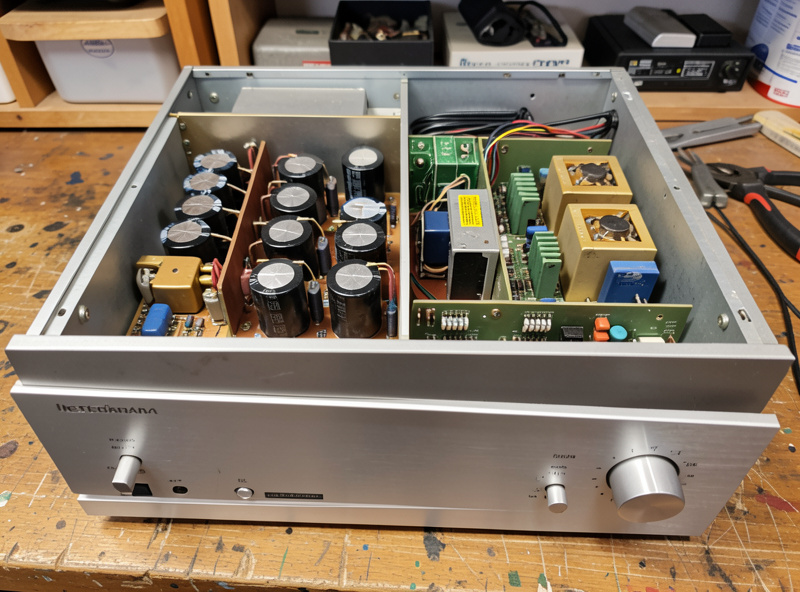
The failure modes are few and visible: dried power-supply capacitors that raise hum, oxidized volume and selector controls that crackle, and the rare tired output stage. None of these ambush a buyer who knows the checklist below. The bigger determinant of how the amp sounds is the speakers it drives and the room it plays into — match the amp to your speakers’ sensitivity and impedance, a point I detail in my speaker and amplifier matching guide, and you have done more for the sound than any year-model upgrade.
The Ten-Minute Inspection
Run the same sequence on every amplifier you inspect. Power it on cold with nothing playing and the volume down, and listen close to the speakers for hum: a steady mains buzz that does not change with the volume points at aging power-supply capacitors. Then play a familiar track and sweep the volume and balance controls slowly through their full range. The crackle or dropout you hear is an oxidized potentiometer — usually a cheap clean, occasionally a replacement.
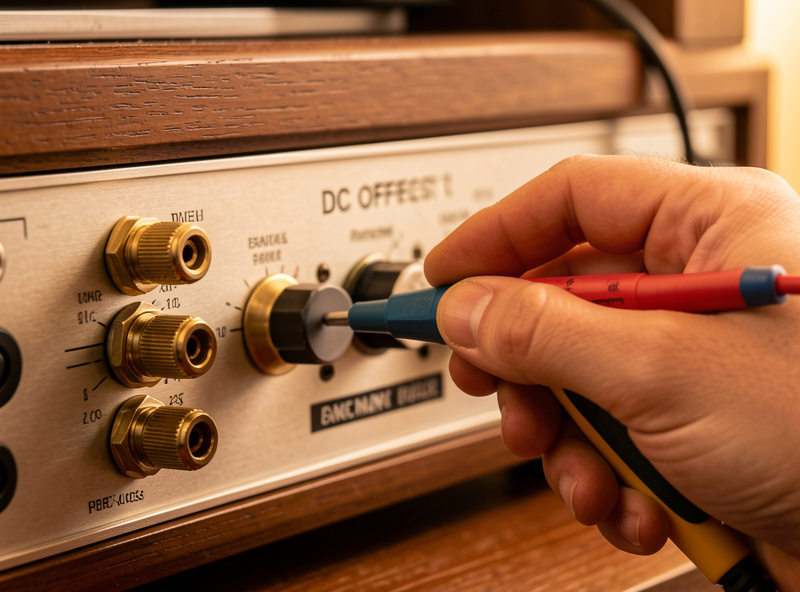
Next, exercise every input, tone control, filter, and the headphone jack. A dead input or a scratchy switch is a real but minor fault you can quote against the price. Finally, if you carry a multimeter, measure DC offset at the speaker terminals with no signal: a few millivolts is healthy, hundreds of millivolts means a fault that can damage speakers and points to deeper trouble. That one measurement is the most valuable thing you can do, and it is covered alongside the rest of the bench routine in my testing used hi-fi equipment guide.
What Each Symptom Actually Means
Not every flaw is equal. Knowing which symptoms are trivial and which are terminal is what lets you negotiate from confidence instead of fear. A scratchy pot or a dead lamp is a few minutes and a few kronor. A dead channel or high DC offset is a real repair you should only take on knowingly and at a price that reflects it.
| Symptom | Likely Cause | Severity | Typical Fix |
|---|---|---|---|
| Steady hum at idle | Aging PSU capacitors | Medium | Recap power supply |
| Crackle when turning volume | Oxidized potentiometer | Low | Contact cleaner |
| One channel silent | Dead output / relay / solder | High | Bench repair |
| Dropouts on an input | Oxidized selector or jack | Low | Clean contacts |
| High DC offset at terminals | Faulty output stage | High | Skip or expert repair |
| Thump on power-up | Worn protection relay | Low-Medium | Replace relay |
Use this table as a negotiating sheet. A unit with a scratchy pot and a dead lamp is a great buy at a discount that more than covers a $12 can of cleaner and a lamp. A unit with a dead channel is only a buy if you intend to fix it and the price treats it as a project. For the deeper repair side, my recapping guide walks through the most common power-supply refresh.
Integrated, Receiver, or Separates?
Used buyers face three amplifier formats, and each suits a different listener. An integrated amplifier — preamp and power amp in one box — is the sweet spot for most people: simple, durable, and the easiest to test secondhand. A vintage receiver adds a tuner and usually a phono stage in a single classic chassis, which is charming but means more switches and lamps to age. Separates (a standalone preamp and power amp) offer flexibility and headroom but double the number of units and interconnects to inspect.
For a first used amplifier I steer people toward a clean integrated, because there is simply less to go wrong and less to check. If you are drawn to the silver-faced era, treat the receiver as a project and read my vintage receiver restoration guide first. If you run vinyl and digital both, an integrated with a built-in phono stage keeps the chain simple — my integrated amplifier picks show what to target, and the AV receiver versus stereo amplifier comparison covers the home-theater crossover.
Tubes vs Solid State on the Used Market
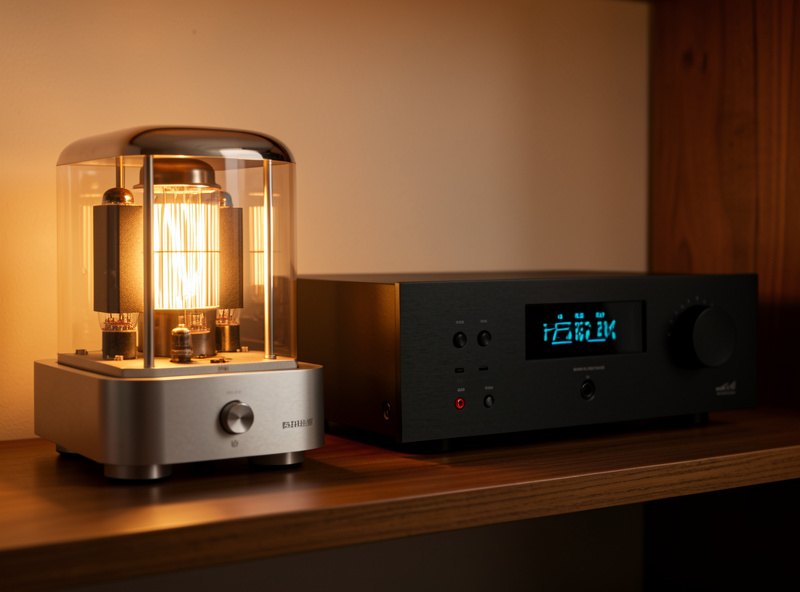
Tube amplifiers are the one amplifier class I tell used buyers to approach carefully. They sound the way they sound for real, measurable reasons — higher output impedance interacting with the speaker, a gentle distortion signature — but they carry consumable tubes with finite hours, transformers that can hum, and bias that drifts and needs setting. A used tube amp from an unknown seller is a bigger gamble than a used solid-state integrated, full stop.
If the tube sound appeals to you, buy from someone who can demonstrate it working and tell you the tube hours, and budget for a fresh set. For most listeners chasing value, a clean solid-state integrated delivers transparent, powerful, low-maintenance amplification that the room and speakers will shape far more than the topology does. I lay out the honest trade-offs in my tube vs solid-state comparison.
Setting a Fair Price
Price a used amplifier from two anchors: the going rate for clean examples of that exact model, and the cost of any faults you found. Search completed listings rather than asking prices to see what units actually sell for, and subtract real, quotable repair costs from there. A scratchy-pot discount should more than cover the cleaner; a recap discount should reflect a parts kit and a weekend of work.
Keep a small kit on hand so common arrival issues do not derail a good buy. A digital multimeter covers the DC-offset and continuity checks, and a can of fader-safe contact cleaner fixes the most frequent fault on arrival. As an Amazon Associate I earn from qualifying purchases. If you are shopping the budget end, my budget amplifier guide sets realistic expectations for what used money buys.
Where to Buy and Avoiding Shipping Damage
An amplifier is heavy, and heavy units do not love being shipped. Toroidal transformers and large filter capacitors can shift on their mounts in transit, and a faceplate that survives years of use can crack in a poorly packed box. For anything substantial I strongly prefer local pickup, where I can power the unit on, run the inspection, and carry it home knowing exactly what I bought. Ten minutes with the seller beats any number of reassuring photographs.
When you do buy shipped, use a buyer-protected marketplace so a dead-on-arrival unit is your problem to report rather than your loss to absorb, and factor the freight into your offer — a cheap amplifier three countries away stops being cheap once shipping and risk are priced in. Ask the seller to photograph the internal packing before it goes out; a unit double-boxed and foam-suspended arrives intact far more often than one wrapped in a single layer of bubble wrap. The same logic that governs the whole secondhand market applies here, and I cover it across components in the main used hi-fi guide.
Frequently Asked Questions
How do I know if a used amplifier is good before buying?
Power it on cold and listen for hum with the volume down, sweep the volume and balance for crackle, exercise every input and control, and if possible measure DC offset at the speaker terminals. A few millivolts is healthy; hundreds means a fault to avoid.
Is a used amplifier worth it compared to new?
Usually yes. Solid-state amplification was solved long ago, so a clean integrated from a decade back drives your speakers identically to a new one at 45-60% of the price. The specs that matter do not improve enough year to year to justify the new-price premium.
What causes hum in an old amplifier?
A steady mains hum that does not change with the volume usually points to aging power-supply capacitors that have lost capacitance and risen in resistance. It is fixable with a power-supply recap and is a fair point to negotiate the price down.
Should I buy a used tube amplifier?
Only from a seller who can demonstrate it working and state the tube hours. Tubes are consumable, transformers can hum, and bias drifts. For value and low maintenance, a clean solid-state integrated is the safer used buy for most listeners.
Is a scratchy volume control a serious problem?
Rarely. A crackle when turning the volume is almost always an oxidized potentiometer that a fader-safe contact cleaner resolves in minutes. Treat it as a small discount, not a deal-breaker, unless cleaning fails to fix it.
How many watts do I need from a used amplifier?
Fewer than you think. Match power to your speakers sensitivity and impedance rather than chasing a big number. A 50-watt amp into efficient speakers in a normal room plays louder and cleaner than 150 watts into the wrong load.