Do Expensive Audio Cables Make a Difference
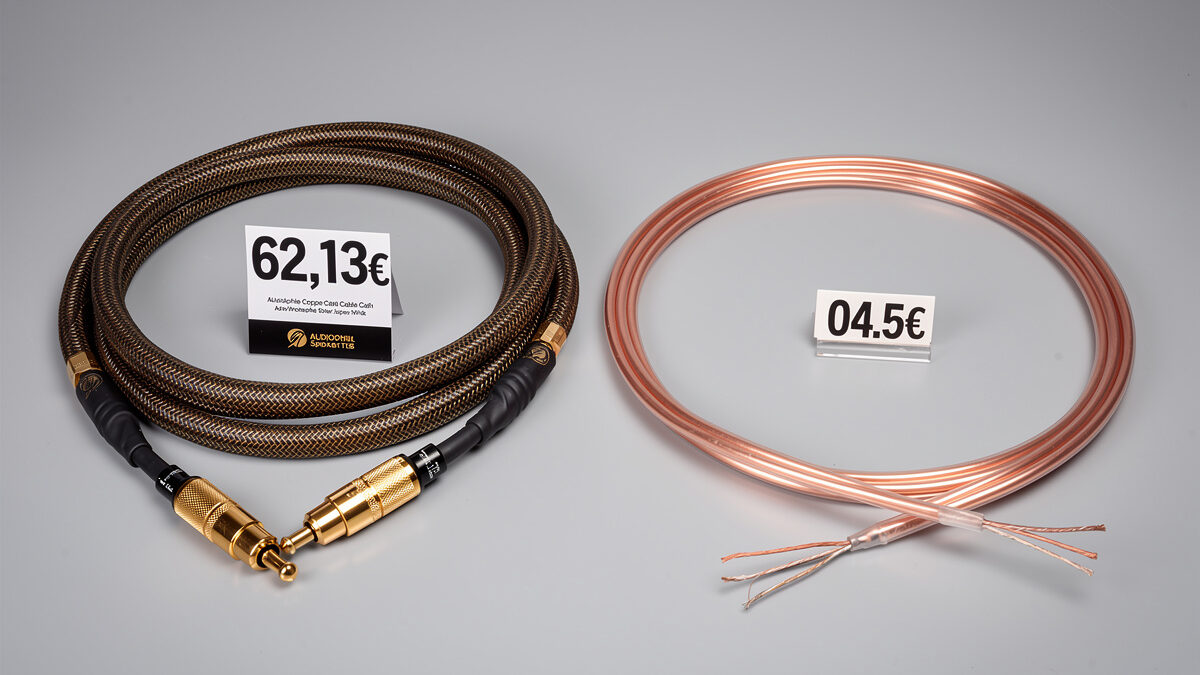
Expensive audio cables do not make an audible difference in typical hi-fi systems at cable lengths under 15 feet. Properly gauged copper cables transmit electrical signals without measurable or audible degradation regardless of price. The $10,000 cable industry survives on confirmation bias, sighted listening tests, and aesthetic appeal rather than acoustic evidence. Invest your cable budget in better speakers, a superior source, or room treatment instead.
The Science of Audio Cables
Audio cables carry analog electrical signals between components. Three electrical properties affect signal transmission: resistance, capacitance, and inductance. At typical hi-fi cable lengths (3-15 feet), even basic copper cables exhibit properties well below thresholds that affect audible frequencies. Resistance in 16-gauge copper speaker wire at 10 feet measures approximately 0.04 ohms — insignificant compared to 4-8 ohm speaker impedance.
Capacitance in interconnect cables can affect high-frequency response at extremely long runs (50+ feet), but standard 3-foot RCA cables introduce capacitance far below audible impact. Inductance effects require even longer cable lengths to become measurable. The physics simply do not support audible cable differences at consumer cable lengths.
Double-blind listening tests consistently demonstrate that listeners cannot distinguish between expensive and basic cables when they cannot see which cable is connected. When sighted — knowing which cable plays — listeners report differences because expectation and price bias influence perception. This psychological phenomenon is well-documented in audio research and explains the persistent belief in cable differences.
What Actually Matters in Cables
While sound quality differences between cables are inaudible, practical differences do exist.
Connector Quality: Gold-plated connectors resist corrosion better than nickel-plated alternatives. Corroded connections increase resistance and can cause intermittent signal dropouts. Reliable connectors prevent crackling and signal loss. This practical advantage justifies modest premium for quality connectors without requiring exotic cable materials.
Cable Gauge: Speaker wire gauge determines current-carrying capacity. For runs under 25 feet, 16-gauge copper suffices for most speakers. Runs over 25 feet or speakers with impedance below 4 ohms benefit from 14-gauge or 12-gauge wire. Thicker wire is not better by default — it simply handles longer distances and lower impedance loads more effectively.
Shielding: Interconnect cables near power cables, amplifiers, or other electromagnetic sources benefit from shielding that rejects interference. Unshielded cables can pick up hum, buzz, or radio frequency interference in electrically noisy environments.
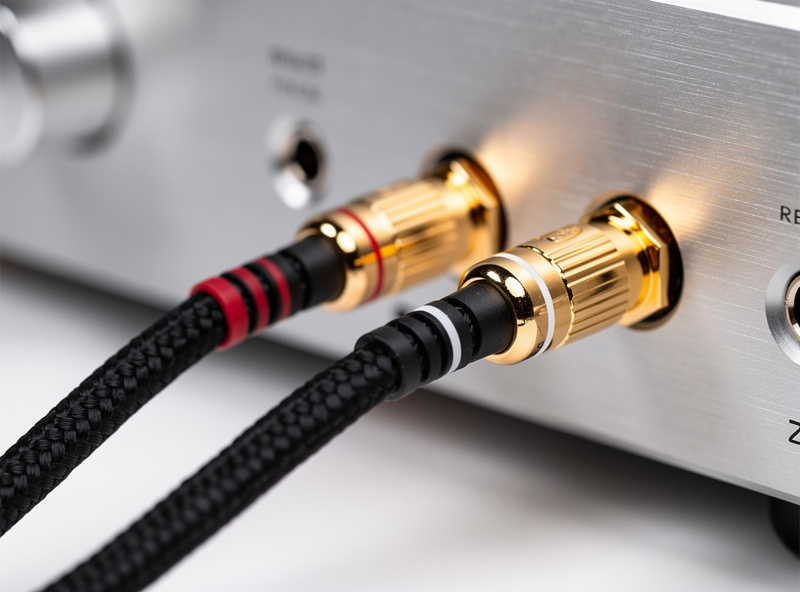
Build Quality: Strain relief at connector junctions, quality jacket material, and secure solder joints affect cable longevity. Cheap cables with poor strain relief fail at connector points within 1-2 years. Cables costing $10-$30 from reputable manufacturers provide reliable construction that lasts decades.
Recommended Cable Budget Allocation
| Cable Type | Budget Recommendation | What to Buy | What to Avoid |
|---|---|---|---|
| Speaker Wire | $10-$30 for 50ft | 16-gauge oxygen-free copper (OFC) | Silver, braided, or “directional” wire |
| RCA Interconnects | $8-$20 per pair | Quality connectors, shielded cable | $100+ “audiophile” interconnects |
| Digital Coaxial | $10-$15 | 75-ohm shielded cable | $200+ “digital reference” cables |
| USB Cables | $8-$15 | USB-IF certified, quality shielding | $100+ “audio grade” USB cables |
| Optical (Toslink) | $8-$12 | Standard glass or plastic fiber | $50+ “premium” optical cables |
When Premium Cables Make Sense
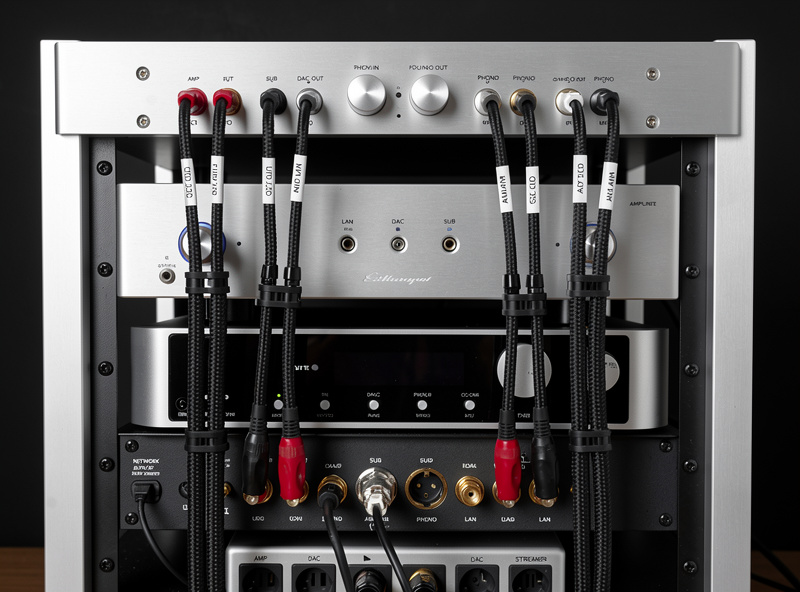
Premium cables serve legitimate purposes beyond sound quality. Aesthetics matter in visible installations — braided cables with premium connectors look professional on display shelves. Custom-length cables eliminate messy excess wire behind equipment racks. Cables with right-angle connectors solve tight-space installation challenges.
Speaker cables running through walls or under floors benefit from in-wall rated (CL2/CL3) jacket material for fire safety compliance. These cost slightly more than standard cables but meet building code requirements. Outdoor speaker installations require UV-resistant jacket material.
None of these practical advantages affect sound quality — they address installation, safety, and appearance. Budget for practical needs rather than perceived sonic benefits. Our guide to the best USB DACs under $200 demonstrates that spending $100 on a DAC upgrade provides dramatically more improvement than spending $100 on a USB cable.
The Cable Upgrade Path
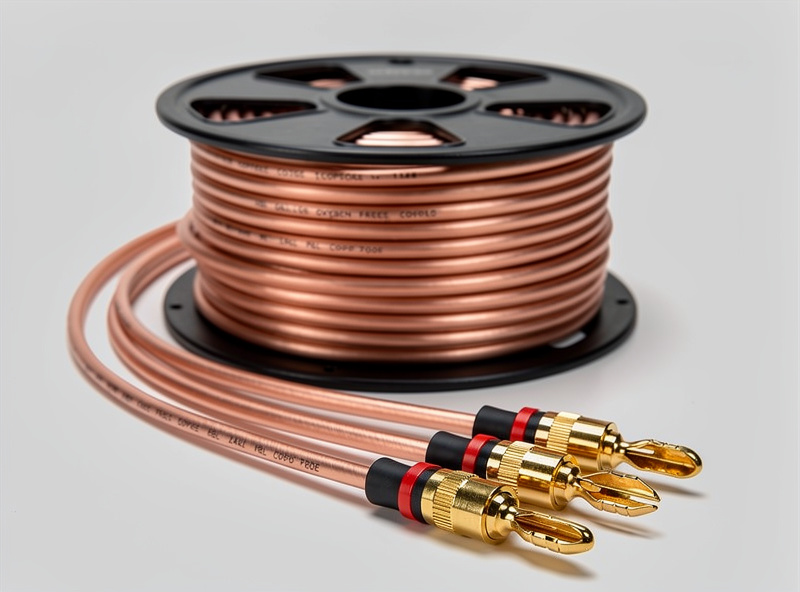
If you currently use the thin, untinned wire that shipped with budget speakers, upgrading to 16-gauge OFC copper wire ($10-$15 for 50 feet) provides a meaningful reliability improvement. If your RCA cables have loose connectors or visible corrosion, replacing them with $10-$15 cables with quality connectors prevents signal issues.
Beyond these basic upgrades, additional cable spending provides no audible benefit. Our guide to the best integrated amplifiers and bookshelf speakers under $300 show where your budget genuinely improves sound. A $50 cable will never outperform spending that $50 on room treatment or a better source component.
Frequently Asked Questions
Do expensive audio cables sound better?
No. Double-blind listening tests consistently show listeners cannot distinguish expensive cables from basic ones at typical lengths under 15 feet. Properly gauged copper wire transmits signals without audible degradation. Spend your budget on speakers, sources, or room treatment instead.
What gauge speaker wire do I need?
16-gauge copper wire handles runs under 25 feet with 8-ohm speakers. Use 14-gauge for runs 25-50 feet or 4-ohm speakers. Use 12-gauge for runs over 50 feet. Thicker wire handles more current over longer distances — it does not improve sound quality at short distances.
Are gold-plated connectors worth it?
Yes, for corrosion resistance. Gold plating prevents oxidation that degrades connections over time. This practical advantage justifies the modest premium ($2-$5 more per cable). Gold plating does not improve sound quality — it prevents future signal degradation from corroded connections.
Should I buy expensive HDMI or USB cables for audio?
No. Digital cables transmit data that either arrives correctly or produces errors. Unlike analog cables that degrade gradually, digital signals either work perfectly or fail obviously. A $10 certified USB or HDMI cable performs identically to a $200 cable as long as it meets the specification.
What about silver audio cables?
Silver has slightly lower resistance than copper, but at consumer cable lengths the difference is inaudible. Silver cables cost 5-20x more than copper without providing audible improvement. Purely a marketing distinction that exploits the association between silver and premium quality.
Do cable elevators and special connectors help?
No. Cable elevators that lift cables off floors, special directional connectors, and cryogenically treated cables have no measurable or audible effect on audio signals. These are marketing devices designed to sell expensive accessories to audiophiles seeking marginal improvements that do not exist.
How much should I spend on audio cables total?
Budget $30-$60 total for a complete hi-fi system: $10-$15 for 50ft speaker wire, $15-$25 for two pairs of RCA interconnects, and $8-$12 for any digital cables needed. This covers everything with reliable, quality construction. Anything beyond this provides no audible benefit.
Related Articles
Related articles will be added as hub and sibling spokes are published.