Best DAC by Budget: Tiered Picks That Make Sense
The best DAC by budget is whichever transparent unit gives you the inputs and outputs you actually need at your price — and the honest news is that the price where audible quality stops improving is low. On my bench, a competent $100-$300 desktop DAC already measures past the point your room and ears can resolve, which means above that you are buying features, build, and connectivity, not better sound.
So this guide is organized by what each budget tier buys you in practical terms, not by chasing a sound that plateaus early. I will lay out an entry tier, a sweet-spot tier, and a do-everything tier, and tell you plainly where the diminishing returns kick in so you can stop spending at the right place and put the rest into the room.
Where the Returns Actually End
For most listeners, the audible returns on a DAC flatten somewhere around the $150-$300 mark; beyond that, extra money buys balanced outputs, a streaming endpoint, measurement-grade performance, or nicer build, not transparency you can hear. A $200 DAC and a $2,000 DAC, level-matched into the same amp and speakers, are far harder to tell apart than the price gap implies.
That is not a knock on expensive units — I run a reference-class DAC myself, but because it doubles as my measurement instrument, not because the music demands it. The framing that saves you money is simple: decide what features you genuinely need, buy the cheapest transparent unit that has them, and route the leftover budget to room treatment, which I cover as the highest-value spend in my DAC buying guide.
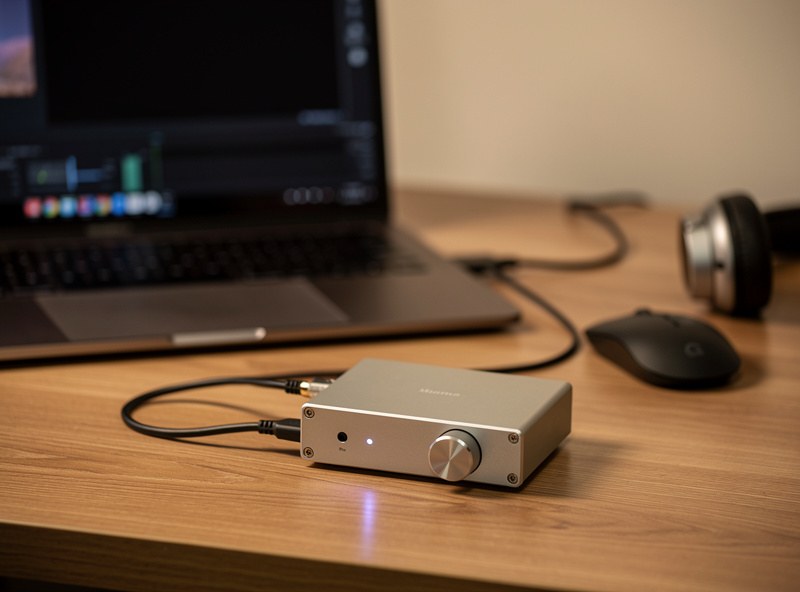
Entry Tier (Under $150): Transparent on a Shoestring
Under $150 you can already buy a DAC that measures audibly transparent for line-out duty, which is genuinely remarkable. At this tier you get clean USB conversion and a line output to feed an amp or active speakers, sometimes with a basic headphone jack. What you give up is balanced outputs, a remote, and the headroom to drive demanding headphones.
This is the right tier for anyone feeding a proper amplifier from a computer or streamer, where the DAC only needs to be a clean line source. It is also where a good USB-C dongle lives if your listening is portable, as I cover in the desktop vs portable DAC guide. For specific sub-$200 picks, my dedicated best USB DACs under $200 roundup goes deeper than this overview.
Sweet-Spot Tier ($150-$400): Where Most People Should Land
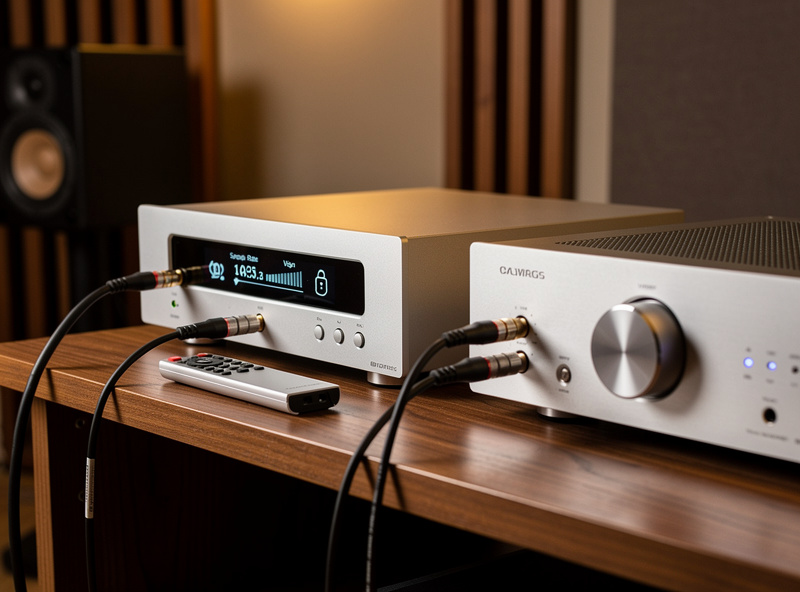
The $150-$400 tier is the value sweet spot for the majority of listeners: here you get reference-grade measurements, a remote and display, balanced outputs on many units, and a headphone amp with enough power for most cans. This is the tier I point most people to because it covers nearly every real need without paying for diminishing returns.
At this price a desktop DAC can act as a system hub — multiple inputs, a volume control good enough to feed a power amp directly, and balanced outputs for an active monitor setup. If you want one box to anchor a fixed rig, buy here and stop. The matching logic for feeding your amp or speakers from this tier is the same as in my amplifier matching guide.
Do-Everything Tier ($400+): Features, Not Fidelity
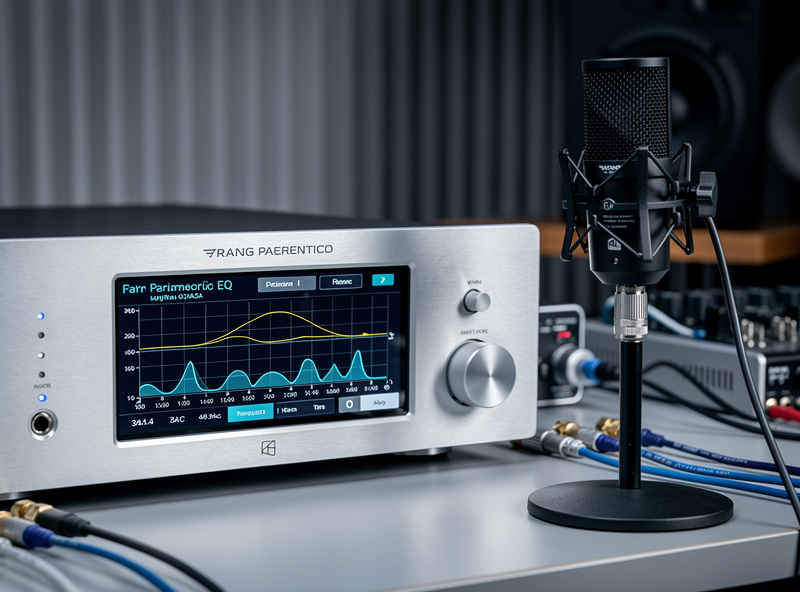
Above $400 you are paying for capability, not audible quality: parametric EQ and DSP, measurement-grade performance, built-in streaming, premium build, and resale value. These are real reasons to spend more — just be clear that you are buying features, because the transparency was already there two tiers down.
The strongest case for this tier is a unit that earns its price with genuine functionality: on-board EQ to tame a room mode at the source, a streaming endpoint that collapses two boxes into one, or measurement capability if you want to sweep your own room. Those are the features I actually use on my reference unit. If you want streaming built in, weigh it against a separate endpoint as I do in the streaming DAC vs separate streamer guide.
DAC Budget Tiers at a Glance
This table maps each budget tier to what it actually buys, so you can match your spend to your needs rather than to a sound that plateaus early.
| Tier | What You Get | What You Give Up | Best For |
|---|---|---|---|
| Under $150 | Transparent line out, basic features | Balanced out, remote, big power | Feeding an amp or active speakers |
| $150-$400 | Reference measurements, balanced, remote, headphone amp | Streaming, advanced DSP | Most listeners, system hub |
| $400+ | DSP/EQ, streaming, measurement-grade, premium build | Your money (returns plateaued) | Features and capability seekers |
The Used and Last-Gen Bargain
The smartest budget move is often buying last year’s transparent DAC used or open-box, because a converter that measured reference-grade two years ago still measures reference-grade today — the silicon does not age the way speaker surrounds or capacitors do. A two-year-old sweet-spot DAC at half its launch price is frequently the best value in the entire market.
This works precisely because DAC performance plateaued. Speakers, by contrast, are genuinely improved by newer engineering and physical condition, so I am far more cautious buying those used. A DAC is the safest used hi-fi purchase there is: power it up, confirm every input passes signal cleanly and the outputs have no hum, and you have a unit that will outlast several pairs of speakers. The only thing I check carefully is the USB implementation, since that is where older units occasionally show their age with a flaky driver — everything downstream of a clean USB feed is as good as the day it shipped.
My Tier-by-Tier Picks
Disclosure: the links below are Amazon affiliate links; I may earn a small commission at no cost to you, and I only link gear I would run myself. They are search links so they never go stale.
For the entry tier, a clean budget desktop DAC delivers transparent line-out duty for the price of a few records. In the sweet spot, the Topping desktop DAC line is the value benchmark I keep recommending, and for a headphone-first desk the FiiO desktop DAC/amp adds real power without leaving the tier. Above that, spend only if a specific feature — DSP, streaming, measurement — justifies it, not for a sound the cheaper units already deliver.
Frequently Asked Questions
How much should I spend on a DAC?
For most listeners, $150-$300 is the value sweet spot. A competent DAC measures transparent there, so above it you buy features, build, and connectivity rather than audible quality. Put leftover budget into room treatment, which improves sound far more.
Is a $1000 DAC better than a $200 one?
Rarely in audible terms. Level-matched into the same system, a $200 and a $2000 DAC are far harder to tell apart than the price suggests. The expensive unit buys balanced outputs, DSP, streaming, or measurement capability, not better sound.
What is the cheapest transparent DAC?
Under $150 you can already buy a DAC that measures audibly transparent for line-out duty. You give up balanced outputs, a remote, and the power to drive demanding headphones, but the conversion itself is clean enough for any real system.
When is it worth spending over $400?
When you need a specific feature: on-board DSP and EQ to tame a room mode, a built-in streaming endpoint, measurement-grade performance, or premium build and resale. You are paying for capability; the transparency was already there at lower tiers.
Should I upgrade my DAC or treat my room first?
Treat the room first. A pair of bass traps and first-reflection absorbers changes your sound far more than stepping up a DAC tier. The DAC should be the most transparent, least audible part of the chain, so spend where the gains are real.