Streaming DAC vs Separate Streamer: One Box or Two?
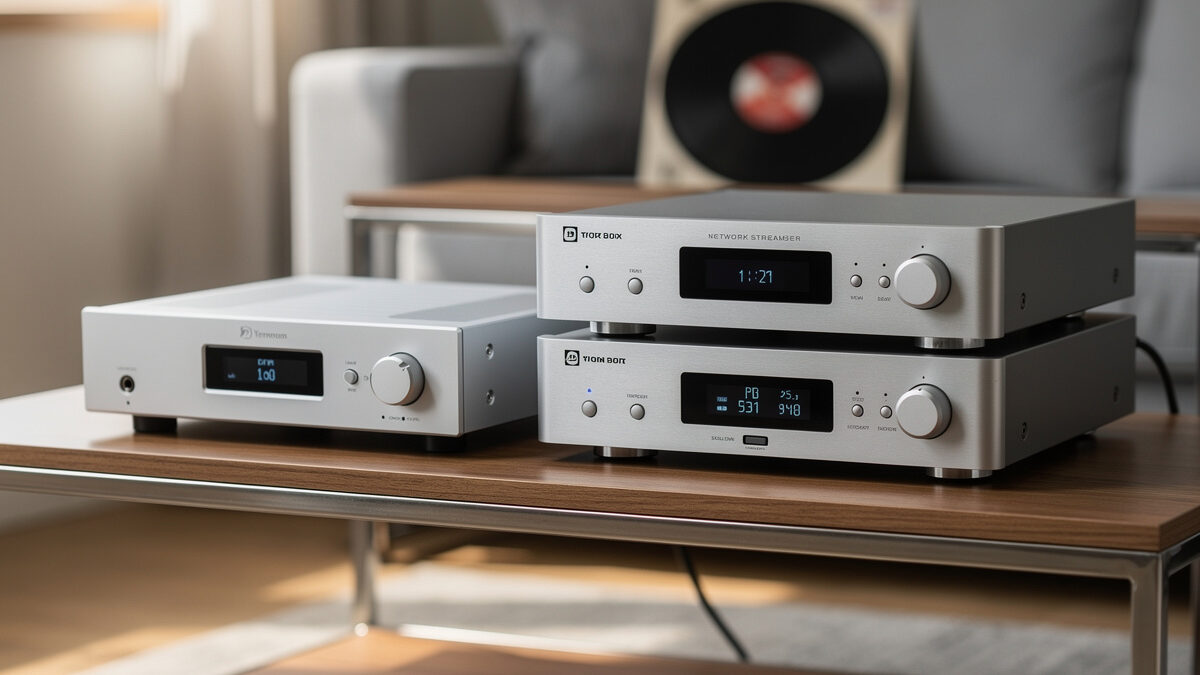
Streaming DAC versus separate streamer is the “one box or two” decision, and the right answer depends entirely on how much you want to change later. A streaming DAC folds the network endpoint and the converter into a single chassis for simplicity; separates keep them apart so you can upgrade or swap either one. After running both arrangements in my chain, my verdict is that the all-in-one wins on tidiness and value, while separates win on flexibility and the long game.
Neither is sonically superior by default — a well-implemented streaming DAC and a separate streamer feeding a good DAC can both be transparent. The decision is about system architecture and how you like to upgrade, not about a sound. This guide lays out the genuine trade-offs so you pick the topology that fits how you actually live with gear.
What Each Approach Actually Is
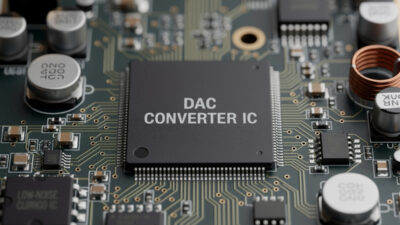
A streaming DAC is a single box that pulls music off your network — from Tidal, Qobuz, a NAS, or Roon — and converts it to analog in one chassis. A separate streamer is a network endpoint that outputs digital, which you then feed into a standalone DAC of your choice. The all-in-one removes a box and a digital cable; separates let you mix and match the two functions independently.
The practical difference shows up at upgrade time. With a streaming DAC, improving either the streaming platform or the conversion means replacing the whole unit. With separates, you can upgrade the DAC and keep the streamer, or swap the streamer when a new platform appears and keep the DAC. I cover the streaming side of this in detail in my network streamers guide, and the conversion side in the DAC buying guide.
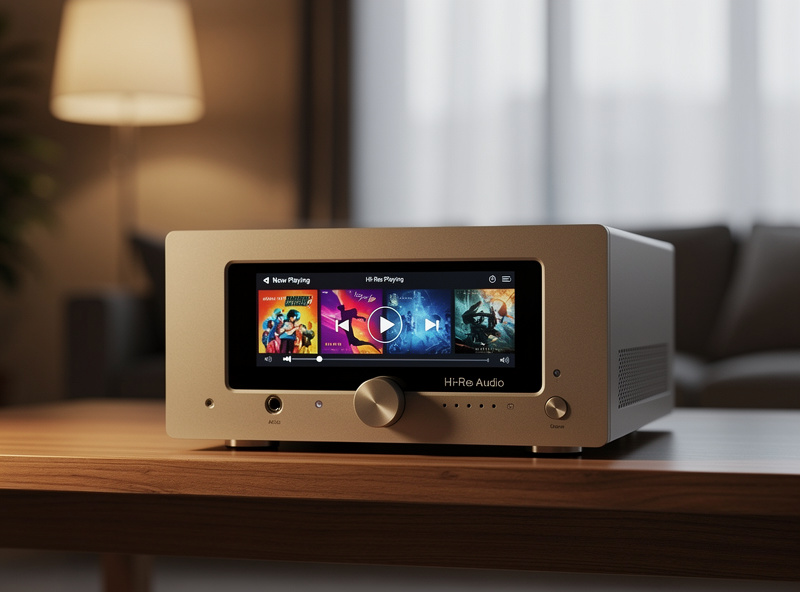
Where the Streaming DAC Wins
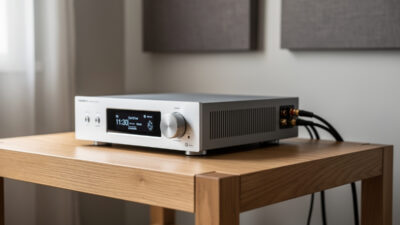
A streaming DAC wins on simplicity, cost, and clean integration: one box, one power cable, no digital interconnect to introduce noise, and usually a lower total price than buying two quality units. For most listeners building a tidy modern system, the all-in-one is the sensible default and removes a whole class of setup headaches.
Removing the USB or coaxial link between streamer and DAC is a genuine, if small, engineering benefit — that interface is a common place for noise and jitter to sneak in, and folding it inside one chassis sidesteps it entirely. The all-in-one also tends to have a single, coherent control app rather than juggling a streamer’s app and a separate DAC’s settings. If you want one elegant box to anchor a fixed rig, this is it.
There is a value angle too that does not get enough attention. Because an all-in-one shares one power supply, one chassis, and one control board across both functions, you are not paying twice for parts that overlap, which is why a streaming DAC usually undercuts the cost of two separate units of equal quality. For a listener who wants to spend the saved money where it matters — on the room, or on better speakers — that efficiency is the quiet argument in the all-in-one’s favor.
Where Separates Win
Separates win on flexibility and future-proofing: streaming platforms and software evolve far faster than DAC chips, so keeping them apart lets you replace the fast-moving streamer without throwing away a perfectly good converter. If you already own a DAC you love, adding a streamer is the cheaper, smarter path than buying a new all-in-one.
This is the architecture I lean toward in my own space, precisely because the streaming endpoint is the part most likely to change. A streamer running Roon or a Raspberry Pi platform can be swapped or reflashed as software moves on, while my reference DAC stays put for years. If you value upgradeability and already have a converter you trust, separates are the rational call — feed the DAC from a clean endpoint and you are set, the same way I run Roon as described in my Roon library guide.
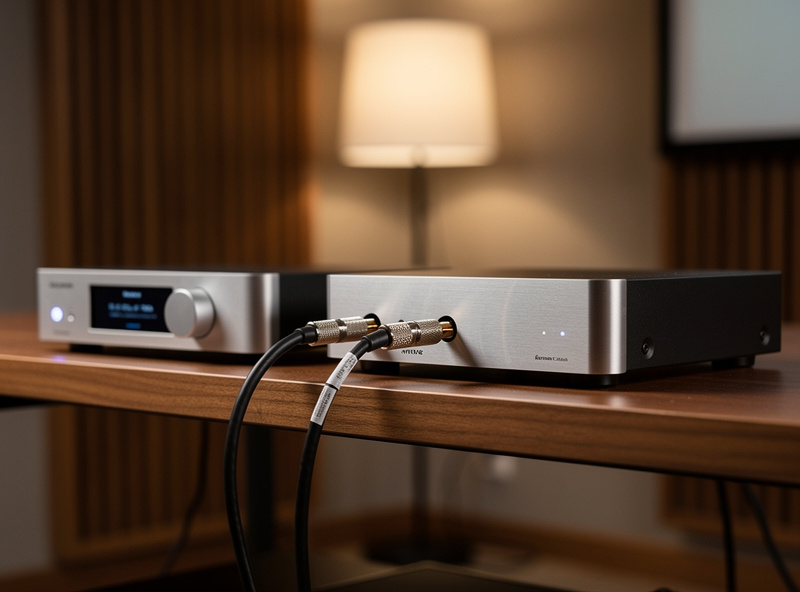
Streaming DAC vs Separates at a Glance
This table lines up the two architectures against the factors that actually decide the choice: cost, flexibility, simplicity, and upgrade path.
| Factor | Streaming DAC (All-in-One) | Separate Streamer + DAC |
|---|---|---|
| Boxes / cables | One box, no digital link | Two boxes + interconnect |
| Total cost | Usually lower | Higher for equal quality |
| Upgrade path | Replace whole unit | Swap either part |
| Future-proofing | Tied to one platform | Streamer evolves freely |
| Best for | Tidy new systems | Existing DAC owners, tinkerers |
Which Should You Choose?
Choose a streaming DAC if you are building fresh and want one tidy box at the best value; choose separates if you already own a DAC you love or you want to upgrade the streaming platform independently over time. The split mostly tracks personality: the all-in-one suits people who want it to just work, separates suit people who enjoy evolving a system piece by piece.
If you are unsure, remember which part ages faster. The streamer’s software and platform will look dated long before a transparent DAC does, so separates hedge against that — but you pay for the hedge in money and a box. For many listeners, a good streaming DAC bought today and replaced whole in five years is the simpler, cheaper path.
Disclosure: the links below are Amazon affiliate links; I may earn a small commission at no cost to you, and I only link gear I would run myself. They are search links so they never go stale.
For the separates route, a network streamer endpoint feeds any DAC you already own cleanly and costs little, and if you want the all-in-one, a streaming DAC with built-in conversion collapses the whole front end into one tidy box. Either way, match the line output to your amplifier as the amplifier matching guide describes.
Frequently Asked Questions
Is a streaming DAC as good as separates?
Sonically, yes. A well-implemented streaming DAC and a separate streamer feeding a good DAC can both be transparent. The choice is about architecture and upgrade flexibility, not sound. The all-in-one even removes a digital link where noise can enter.
Should I buy a streaming DAC or a separate streamer?
Buy a streaming DAC if you are building fresh and want one tidy, lower-cost box. Choose separates if you already own a DAC you love or want to upgrade the streaming platform independently as software evolves over the years.
Why do some people prefer separates?
Streaming platforms and software evolve far faster than DAC chips. Keeping them apart lets you swap the fast-moving streamer without discarding a perfectly good converter, which protects your investment and suits listeners who upgrade piece by piece.
Does an all-in-one sound worse because everything is in one box?
No. Combining the streamer and DAC actually removes the digital interconnect, a common place for noise and jitter to enter. A good all-in-one is fully transparent; the single downside is upgrade flexibility, not sound quality.
Can I add a streamer to a DAC I already own?
Yes, and it is usually the smarter move. A network streamer endpoint outputs digital into your existing DAC over USB or coax, giving you streaming for a fraction of the cost of replacing the whole front end with an all-in-one.
Which part should I upgrade first?
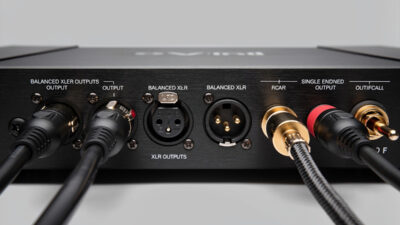
Upgrade the streamer first if your current one lacks a platform you want, since software ages fastest. The DAC rarely needs upgrading for sound, only for features like balanced outputs or DSP. Treat the room before either one.