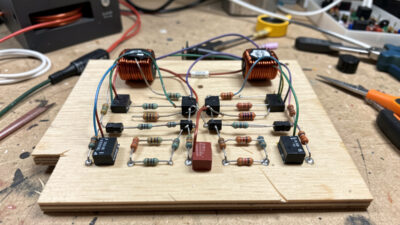
Crossover Design for DIY Speakers: A Measured Approach
The crossover is where a DIY speaker is won or lost. It splits the signal between woofer and tweeter, and…
The crossover is where a DIY speaker is won or lost. It splits the signal between woofer and tweeter, and…
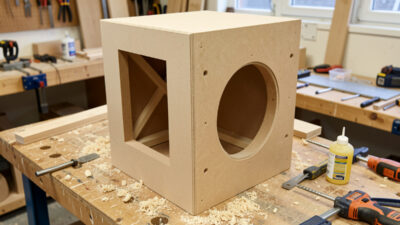
A speaker cabinet has one acoustic job and one cosmetic job: hold the right internal volume without adding any sound…
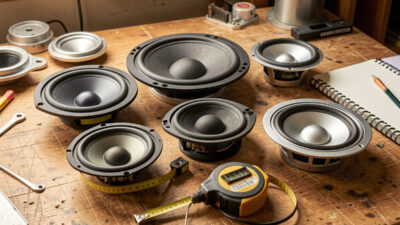
Selecting drivers for a DIY speaker comes down to two measurements, not marketing copy: the woofer’s Thiele–Small parameters, which decide…
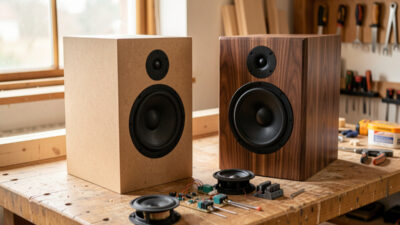
Building your own speakers can match the sound of a commercial pair costing two to three times as much —…
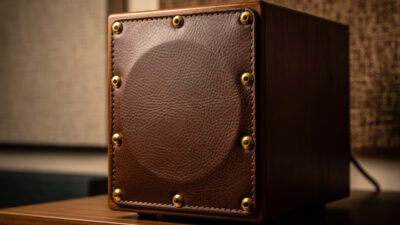
A hand-stitched leather speaker grill cover costs $35 in materials — a half-hide of 3-ounce vegetable-tanned calfskin, waxed linen thread,…
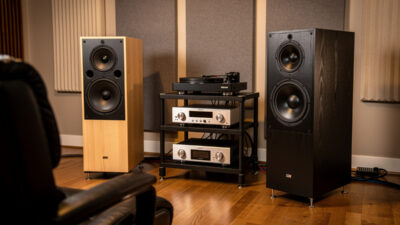
How Box Speakers Work: Sealed and Ported Enclosures Explained Box speakers use an enclosed cabinet to isolate the rear radiation…
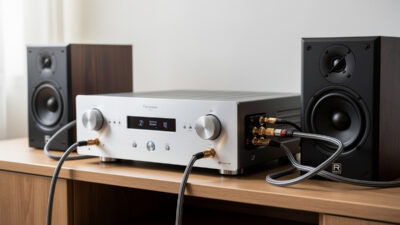
What Speaker Sensitivity Means: Decibels at 1 Watt, 1 Meter Speaker sensitivity is the sound pressure level a speaker produces…
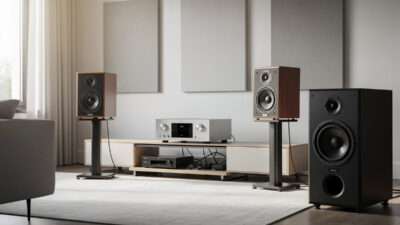
Why a Subwoofer for Music, Not Just Home Theater A properly integrated subwoofer for music does not add bass —…
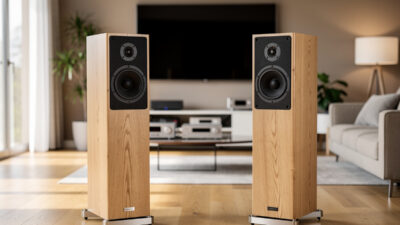
Why Floor Standers Over Bookshelf Speakers for Music Floor standing speakers deliver 15 to 25 Hz deeper bass extension, 2…
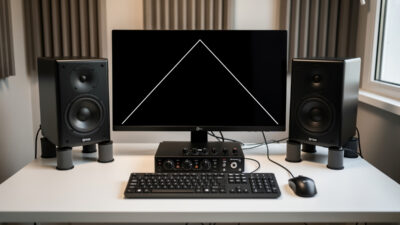
What Near-Field Listening Is and Why It Works Near-field listening positions the speakers 0.8 to 1.5 meters from your ears…