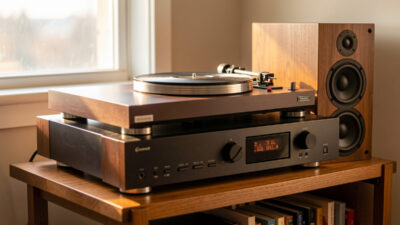
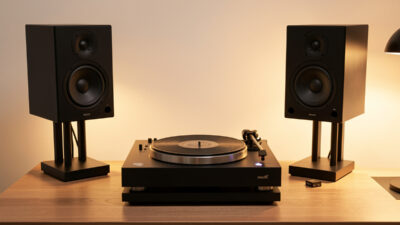
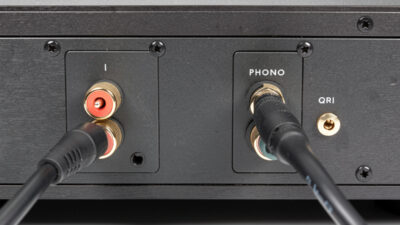
Turntable vs Streaming: Which Sounds Better, Honestly
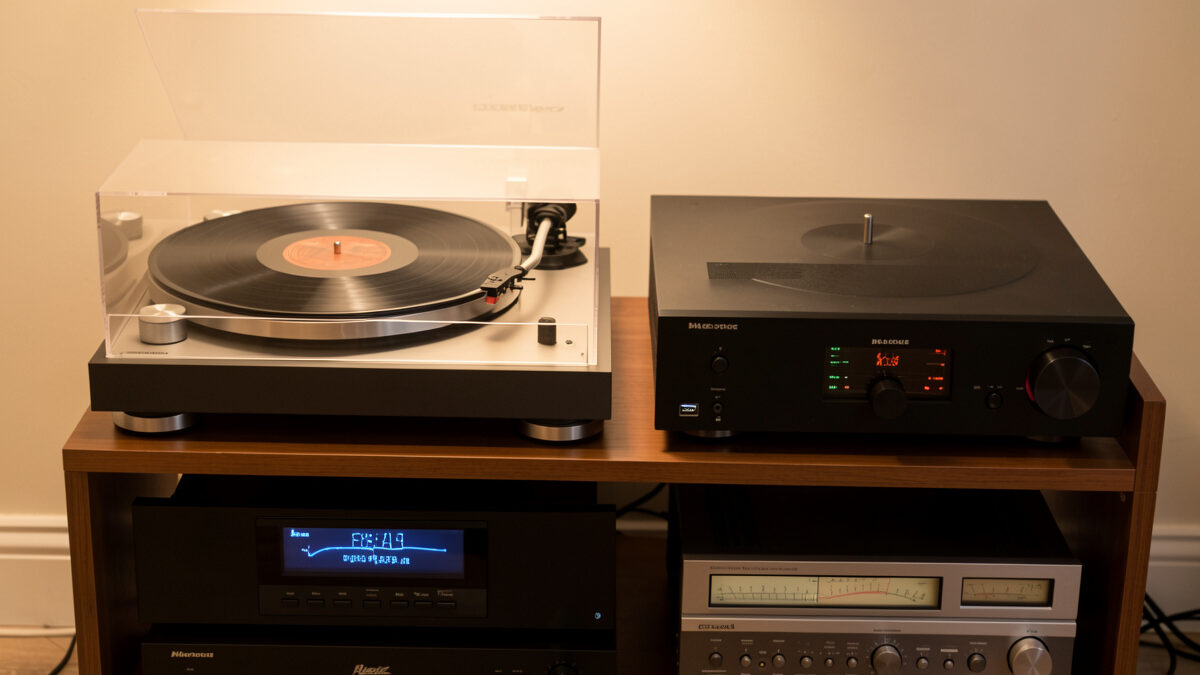
Turntable versus streaming is not a contest one format wins — in the same hi-fi system, the mastering, the phono stage, and the record condition decide more than the format ever does. A clean digital stream measures more transparently, never wears out, and gives you instant access to everything; a well-pressed record on a properly integrated deck has a presentation many listeners genuinely prefer. I run both through the same amp and speakers on purpose, and I pick by recording, not by ideology.
This is the honest comparison, written by someone who keeps both in the chain rather than defending a camp. If you want the broader picture of how vinyl fits into a system, that is my turntable integration guide, and the deck-selection side is in best turntable to add to a hi-fi system.
What Actually Decides Which Sounds Better
The dirty secret of the vinyl-versus-digital debate is that the format is rarely the deciding variable. The same album can be mastered differently for vinyl and digital release, and that mastering difference — dynamic range, EQ choices, how loud it was pushed — swamps any inherent format characteristic. A great vinyl master beats a brickwalled digital one, and a pristine digital master beats a worn, poorly-pressed record.
When both sources feed the same amp and speakers in the same room, the playing field is level and you are really comparing masterings and the quality of each source’s front end. That is why I refuse to declare a universal winner: in my listening space, some albums are unbeatable on the original pressing and others are flat-out cleaner from a good digital file. The system and the recording decide, not the medium.
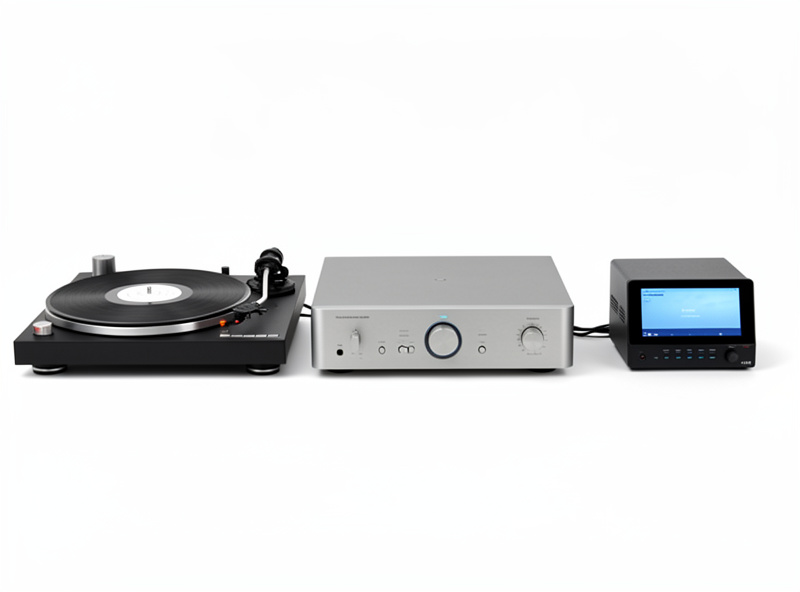
Where Vinyl Genuinely Shines
Vinyl’s strengths are partly sonic and partly experiential. Sonically, many older recordings were mastered for vinyl with more dynamic range than their loud digital reissues, so the record can sound more open and less fatiguing. The analog presentation also has a character — a slight warmth and a continuous quality — that plenty of careful listeners prefer, even knowing it is partly the format’s own coloration.
Experientially, vinyl is deliberate: you choose a side, you sit, you listen to an album as sequenced. That ritual changes how you engage with music, and it is a real part of why people love it. None of this requires pretending records measure better — they do not — but better measurements are not the whole story of why a system sounds satisfying.
There is also a system-synergy angle that gets missed. Vinyl’s gentle high-frequency roll-off and its lack of the harsh top end found on some aggressive digital masters can flatter a bright room or bright speakers, smoothing over a tonal problem you have not yet treated. That is not vinyl being “better” — it is a coloration that happens to mask another coloration — but in a real, imperfect room it can make a record more pleasant to live with than a clinical digital file. I would still fix the room first, but it explains why some people hear vinyl as more relaxed and reach for it more often.
Where Streaming Wins
Digital streaming wins decisively on transparency, convenience, and consistency. A good DAC fed a clean file has lower noise, lower distortion, and flatter frequency response than any turntable, with no surface noise, no wear, and no rumble. It also gives you instant access to nearly all recorded music and the ability to hear hi-res masters that were never pressed to vinyl.
For most listening, that transparency and convenience is exactly what you want, and it is why streaming is the backbone of my own system. If you are building out the digital side, start with my DAC buying guide and network streamer guide, and the question of whether to combine them is in streaming DAC versus separate streamer.
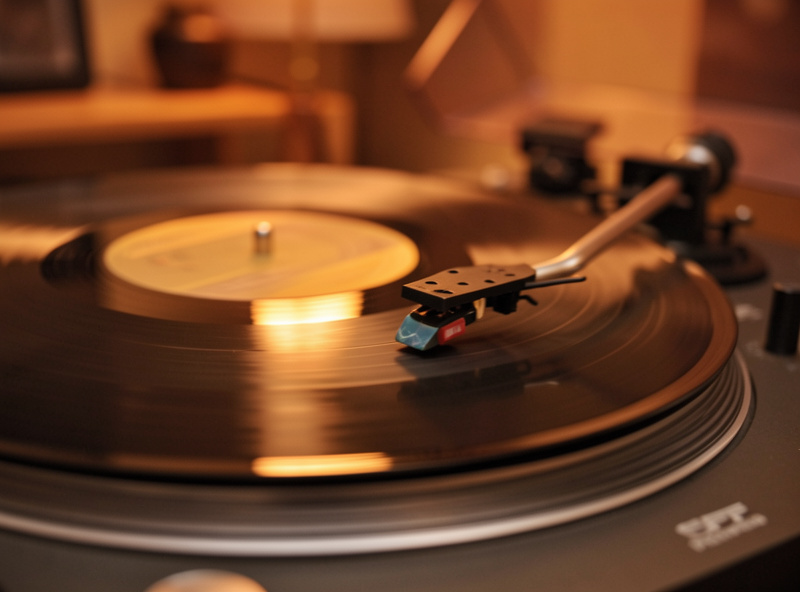
The Noise Floor Question
One concrete difference that is easy to overhear in the abstract debate is the noise floor. A record always has some surface noise, the faint crackle and the rumble that sits under quiet passages, and even a clean pressing on a good deck cannot get to the dead-black silence a competent DAC delivers. On sparse, quiet music — solo piano, a single voice, ambient passages — that difference is most audible, and it is where digital’s measured advantage becomes a listening advantage.
On dense, loud music the surface noise hides under the mix and the difference shrinks to nothing, which is part of why genre matters in this comparison. I find the noise floor barely registers on a rock or electronic record played loud, while it is the first thing I notice on a quiet acoustic track. If your listening leans toward quiet, intimate recordings, weight that in digital’s favor; if it leans loud and dense, the format gap narrows and the mastering takes over entirely.
The Real Cost Comparison
The cost picture is lopsided and worth being honest about. A streaming setup needs a DAC and a network endpoint, then a monthly subscription, and that is the whole ongoing cost for access to nearly all recorded music. A vinyl setup needs the deck, the cartridge, the phono stage, and then a per-album purchase that adds up fast, plus consumables — styli wear out, belts stretch, and records themselves are not cheap, especially audiophile pressings.
None of that makes vinyl wrong; it makes it a deliberate, collection-building hobby rather than a pure cost-efficiency play. People who love records understand they are paying for the object and the ritual as much as the sound. If your goal is the most music and the most fidelity per dollar, streaming wins outright, and the turntable is the thing you add because you want it, not because it is the rational choice. The shared amp and speakers are where the money works hardest for both.
Turntable vs Streaming, Side by Side
Here is the comparison the way I actually weigh it, with no thumb on the scale for either camp. Notice that the categories where vinyl wins are mostly experiential and mastering-dependent, while the categories where streaming wins are mostly measurable — which is exactly why neither is universally better.
| Factor | Turntable | Streaming |
|---|---|---|
| Measured transparency | Lower — surface noise, rumble, wear | Higher — low noise and distortion |
| Mastering access | Whatever was pressed | Often multiple masters, including hi-res |
| Convenience | Manual, side-by-side | Instant access to nearly everything |
| Setup demands | Phono stage, grounding, isolation | DAC and network endpoint |
| Ongoing cost | Records, styli, belts | Subscription |
| Experience | Deliberate, ritual listening | Casual, library-wide |
Myths Worth Retiring
A few claims in this debate deserve to be put down. The first is that vinyl is “more accurate” or “closer to the master” — it is not; the cutting and playback process imposes its own coloration and physical limits, and a digital file of the same master is the more faithful copy. What vinyl often is, is mastered better, which is a different thing entirely and gets conflated constantly.
The second myth is that high-resolution digital is automatically better than CD-quality. In controlled listening, the audible difference between a well-produced 16-bit/44.1kHz file and its hi-res version is vanishingly small for most material; the master matters, the bit depth and sample rate above CD quality rarely do. The third is that expensive interconnects rescue either format — at a competent baseline they do not, a position I hold from measurement, not dogma. Clearing these myths makes the real comparison — masterings and front-end quality — much easier to hear honestly.
Why I Run Both
The practical answer for most enthusiasts is not to choose. Streaming handles the day-to-day and the breadth of access; the turntable handles the albums you love on their best pressing and the listening sessions where the ritual is the point. Both feed the same amp and speakers, so the investment in the room, the amplification, and the speakers serves both sources equally.
That shared back end is the key insight: upgrading the room and speakers improves vinyl and digital at once, which is almost always a better use of money than chasing a format war. Once the downstream chain is sorted, adding a turntable as a second source is a low-risk way to get the best of both, as I lay out in the integration guide and the beginner’s guide to hi-fi.
If I had to give a single recommendation to someone forced to start with one, it would be streaming, because it gives the most music and the highest baseline fidelity for the least setup and the lowest risk, and it leaves the room-and-speaker budget intact. Vinyl is the considered second step, taken once the system can show what a good pressing offers and once you know you want the ritual. Framing it as second-step rather than either-or removes most of the anxiety people bring to this question — you are not choosing a side for life, you are sequencing two sources that share the same back end and complement each other.
Frequently Asked Questions
Is vinyl better than streaming for sound quality?
Neither format wins on its own. In the same system the mastering, the phono stage, and the record condition decide more than the format. A clean digital file measures better, while a well-pressed record on a properly integrated deck has a presentation many listeners prefer.
Why does vinyl sound warmer than digital?
Part of it is a real coloration. Vinyl has a gentle high-frequency roll-off and lacks the harsh top end of some loud digital masters, which can flatter a bright room or bright speakers. It is pleasant, but it is the format masking another problem, not vinyl being more accurate.
Is streaming cheaper than vinyl?
Yes, by a wide margin. Streaming needs a DAC and a network endpoint plus a subscription, then gives access to nearly all recorded music. Vinyl adds a deck, cartridge, and phono stage, then a per-album cost plus styli and belts that wear out. Vinyl is a collection hobby, not a cost-efficiency play.
Does hi-res streaming sound better than CD quality?
For most material the audible difference between a good 16-bit 44.1 kHz file and its hi-res version is vanishingly small. The master you are hearing matters far more than bit depth or sample rate above CD quality.
Does vinyl surface noise actually matter?
It depends on what you play. On sparse, quiet music like solo piano or a single voice the surface noise and rumble are audible against the silence a good DAC delivers. On dense, loud music it hides under the mix and the gap shrinks to nothing.
Should I start with vinyl or streaming if I can only pick one?
Start with streaming. It gives the most music and the highest baseline fidelity for the least setup and the lowest risk, and it leaves your room and speaker budget intact. Add a turntable later as a deliberate second source once the system can show what a good pressing offers.